

Key Takeaways
Alcohol affects older adults differently than younger people—the same amount of alcohol now produces higher blood alcohol concentrations due to changes in body water, lean body mass, and liver metabolism.
Late-onset drinking problems after age 60 are surprisingly common, often triggered by grief, retirement, chronic pain, or isolation rather than lifelong patterns.
Families frequently miss subtle warning signs like recurrent falls, memory issues that fluctuate, poor sleep, and dangerous mixing of alcohol with sleep medications or other prescriptions.
Substance abuse in older adults rarely looks like college-style binge drinking—it’s often daily “routine” drinking that slowly escalates.
Miracles in Action in Northridge offers respectful outpatient support designed around the unique needs of older drinkers and their families, so you don’t have to figure this out alone.
Alcohol and Aging: Why Older Drinkers Need Special Attention
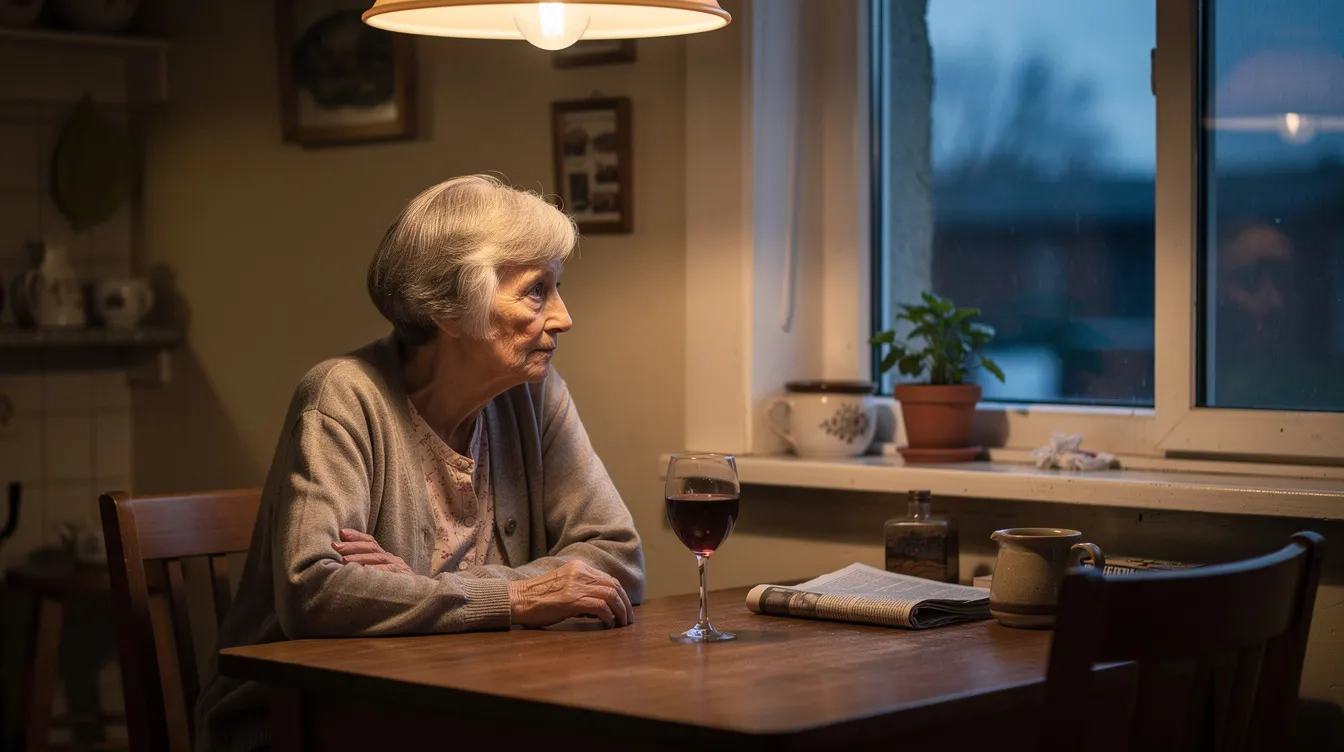
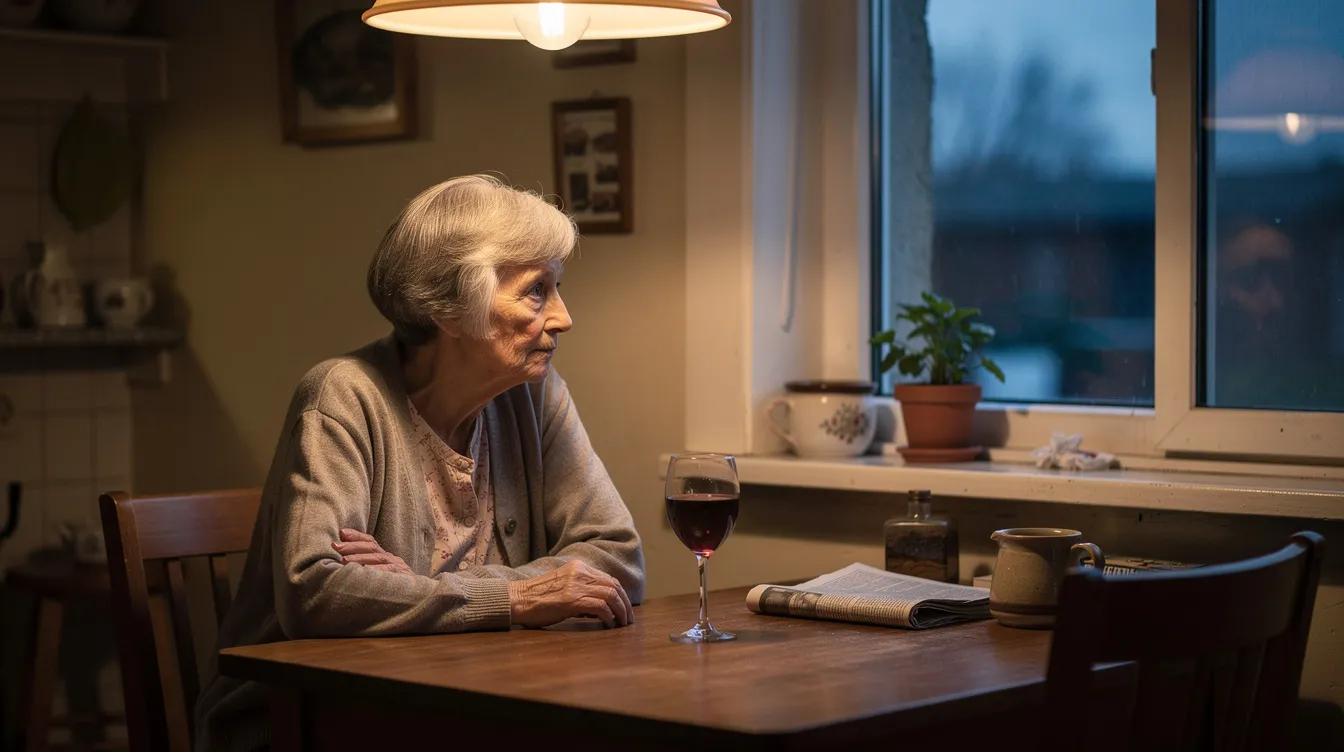
Margaret had always enjoyed a glass of wine with dinner. But after her husband passed away in 2021, that single glass became two, then three. By 2022, her adult daughter noticed the recycling bin filling faster, the afternoon naps growing longer, and the occasional stumble on the back porch steps. Margaret wasn’t doing anything dramatic—she was just getting through another day alone.
This pattern is far more common than most families realize. The population aged 65 and older is growing rapidly, and levels of alcohol consumption among this age group are increasing, particularly among the Baby Boomer cohort, which has higher alcohol use than the previous Silent Generation. In the decade from 2009 to 2019, the size of the population aged 65 and older in the United States grew by 36%, which is expected to lead to a significant increase in alcohol related harms if consumption levels remain high.
Between 2000 and 2016, the biggest increases in the prevalence of alcohol use and binge drinking occurred among people aged 50 and older, indicating a trend of rising alcohol consumption in older adults. This represents a public health concern that health and human services agencies are only beginning to address adequately.
Why the increase? When people age, life brings real losses—retirement can erode purpose, empty nests create quiet houses, chronic pain becomes a daily companion, and grief visits more often. Consuming alcohol becomes an understandable way to cope. But what worked at 45 carries different health outcomes at 70, and that’s what families need to understand.
How Alcohol Affects Older Adults Differently
Here’s something worth knowing: the same amount of alcohol you handled fine at 40 hits you much harder at 70. This isn’t about willpower or tolerance—it’s pure biology.
Physiological changes associated with aging, such as decreased body water and muscle mass, can lead to higher blood alcohol concentrations in older adults after consuming the same amount of alcohol as younger individuals. Your body holds less water to dilute alcohol, and your liver metabolizes it more slowly. The result? One drink now does what two drinks used to do.
Older adults are more sensitive to the effects of alcohol, experiencing greater impairments in balance, coordination, and cognitive functions, which increases their risk for falls and injuries. This sensitivity also means:
Amplified sedation that affects driving skills and reaction time
Impaired balance leading to falls—alcohol significantly impairs balance and coordination, increasing the risk of fractures in seniors
Worsened cardiovascular disease, including high blood pressure and irregular heart rhythms
Greater risk of complications from diabetes, liver disease, and other chronic disease conditions
Many older drinkers experience stronger hangovers, poor sleep, and daytime fatigue even when they aren’t technically heavy drinking. These adverse effects often get dismissed as “just getting old” rather than recognized as alcohol’s effects on an aging body.
Substance Abuse in Older Adults: Hidden in Plain Sight
One of the most challenging aspects of alcohol problems in the older population is how easily they hide in plain sight. Families normalize habitual alcohol intake with phrases like “she’s earned her wine” or “he just enjoys his evening scotch.” This well-meaning acceptance can mask a developing alcohol use disorder.
Alcohol use disorders are common but often underrecognized among older adults, with one third of older alcoholics developing problems in later life. Approximately 62% of community-dwelling individuals aged 60 to 94 consume alcohol, with 6% classified as heavy users, defined as consuming more than two drinks per day.
Late-onset problems look different from lifelong drinking patterns. These often emerge after stressful life events—losing a spouse, receiving a serious medical diagnosis, or facing the identity shift of retirement. The drinking doesn’t start dramatically; it creeps in gradually.
Screening for alcohol use disorders in older adults is crucial, as symptoms may be masked by age related health changes, making diagnosis more challenging. Confusion, memory slips, and unsteady walking can all be misread as normal aging or early dementia rather than alcohol related problems.
This creates a treatment gap. Family, friends, and even clinicians may hesitate to ask about drinking habits in older patients. But substance abuse in older adults rarely looks like heavy drinkers at a party—it’s often daily or near-daily “routine” drinking that slowly escalates while everyone looks the other way.
Warning Signs of an Alcohol Problem in Older Drinkers
If you’re reading this because you’re concerned about yourself or a parent, you’re already paying attention—and that matters. Here are concrete red flags that families often miss:
Physical signs:
New or repeated falls, unexplained bruises, fender-benders
Trouble with stairs or balance, especially in the evening
Emergency department visits for injuries that seem out of character
Cognitive and emotional signs:
Memory lapses that seem worse on some days than others
Increased anxiety, irritability, or mood swings
Mental health changes like worsening depression or grief
Medication-related clues:
Using alcohol with sleep medications, anxiety meds, or opioid painkillers
“Topping up” prescriptions with wine or liquor at night
Taking more alcohol or over the counter sleep aids than prescribed
Social and routine changes:
Hiding bottles or refilling them with water
Drinking earlier in the day
Missing appointments, neglecting hygiene, or letting household tasks slide
These patterns often develop slowly, making them easy to dismiss as “just aging” or socioeconomic status changes after retirement.
Health Risks: From Sleep and Mood to Cardiovascular Disease
Even moderate drinking in older age creates ripple effects across the body. These aren’t dramatic, single-event risks—they accumulate over years of regular alcohol use.
Alcohol misuse can worsen age related health conditions, including chronic pain, cardiovascular disease, diabetes, and increase the risk of various cancers, even at low levels of consumption. Research from systematic review and meta analysis studies shows consistent patterns, and dedicated alcohol treatment in Northridge, CA is often needed when these risks begin to compound:
Health Area | How Alcohol Contributes |
|---|---|
Heart | Raises blood pressure 4-7 points, increases stroke risk, worsens heart disease |
Brain | Accelerates cognitive decline, increases dementia risk by 1.5-2x |
Mood | Worsens depression and anxiety, disrupts grief processing |
Bones | Speeds osteoporosis, raises fracture risk |
Cancer | Increases breast cancer risk by approximately 10% per daily drink |
Alcohol misuse in older adults is linked to faster cognitive decline and can exacerbate mental health issues, leading to a cycle of increased alcohol use to cope with stress and negative emotions. This creates a pattern where drinking worsens the very problems it’s meant to soothe. |
No type of alcohol—wine, beer, or spirits—is risk-free. Research suggests that among different age groups, older women face particular vulnerability due to body composition differences.
Alcohol and Medicines: A Risky Combination for Older Patients
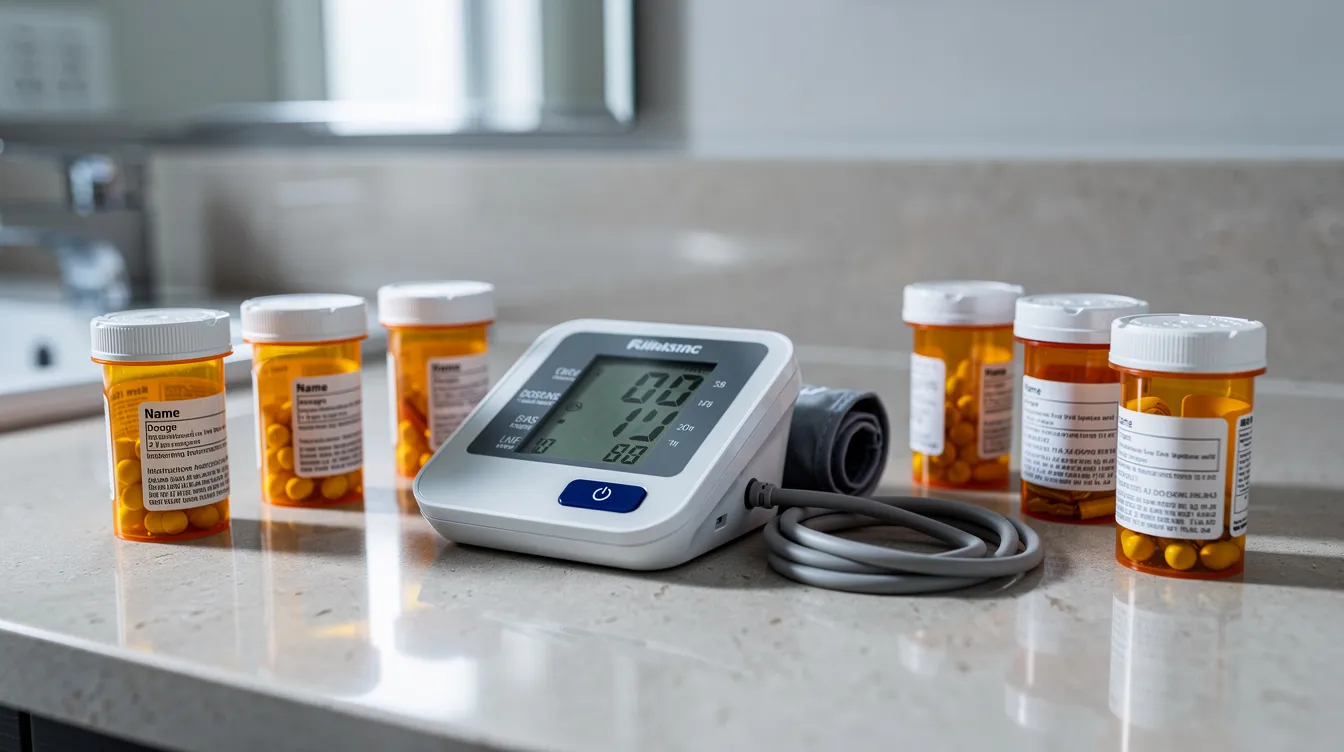
Nearly 90% of adults over 65 take daily medication, increasing the risk of dangerous interactions with alcohol. This is a central concern in geriatric medicine that doesn’t get enough attention.
Alcohol can interact negatively with many commonly prescribed medications, particularly those used for anxiety, pain, or sleep problems, increasing the risk of falls, injuries, and overdoses. For some people, medically supervised outpatient detox in Northridge is the safest way to begin changing their use. Common dangerous combinations include:
Sleeping pills (like zolpidem) + alcohol = quadrupled fall risk and blackouts
Anti-anxiety medications + alcohol = severe sedation and confusion
Opioid painkillers + alcohol = respiratory depression and overdose risk
Blood thinners (warfarin) + alcohol = dangerous bleeding complications
Many older adults take medications that could interact with alcohol, potentially causing the medications to not work properly or making them dangerous or even deadly. Alcohol can weaken blood pressure medications, destabilize diabetes control, and change how antidepressants work.
Here’s what many people don’t realize: interactions can happen even when alcohol and medicine are not taken at the exact same time. Both can linger in your bloodstream for hours. Older adults are particularly vulnerable to the adverse effects of alcohol when combined with medications due to physiological changes associated with aging, which can alter drug metabolism and clearance.
Always check with a healthcare provider or pharmacist regarding alcohol interactions with medications. This isn’t a confession—it’s a safety conversation that can prevent serious harm.
Safer Limits, Not One-Size-Fits-All Rules
Some older adults can drink small amounts without obvious problems, while others are more vulnerable. Understanding where you or your loved one falls matters more than following generic rules.
The National Institute on Alcohol Abuse and Alcoholism (NIAAA) recommends that older adults limit alcohol consumption to one drink per day for women and two drinks per day for men, but emphasizes that the safest option is not to drink at all. Many national institute guidelines suggest no more than seven drinks per week for those over 65, with several alcohol-free days built in.
Moderate drinking is defined as up to one drink per day for women and up to two drinks per day for men, but even at these levels, there are potential health risks associated with alcohol consumption for older adults. A standard drink is defined as 12 ounces of beer, 5 ounces of wine, or 1.5 ounces of distilled spirits—and most home pours exceed these amounts significantly.
Older adults are advised to drink less overall, drink less often, avoid binge drinking, and not use alcohol as a means to cope with sleep or anxiety issues.
Some health organizations suggest that for some older adults, it may be safest to avoid alcohol completely. It is recommended to avoid alcohol altogether if you have specific medical conditions or take medications that interact with it—including those with fall history, liver disease, or complex medication regimens. In these situations, learning about choosing alcohol outpatient rehab options can help you find support that matches your health needs.
Monitoring consumption habits can help older adults stay within healthy limits. Practical tips include: drink with food and stay hydrated with water to slow alcohol absorption and reduce the risk of dehydration. “Lower is safer” is the guiding principle, and cutting back gradually is usually more realistic than abrupt changes.
How to Talk with an Older Loved One About Drinking
Having this conversation with a parent, spouse, or friend you respect is genuinely hard. You don’t want to sound accusatory or make them feel like a problem to be managed. But your concern comes from love, and that matters.
Conversation tips that work:
Choose a calm time of day—not right after drinking or during a stressful moment
Start with specific observations: “I’ve noticed more falls lately, and I’m worried” rather than “You drink too much”
Use “I” statements: “I feel scared when…” instead of “You always…”
Focus on what matters to the older adult—staying independent, driving safely to see grandchildren, keeping up with hobbies. The american medical association and world health organization recognize that motivation tied to personal values works better than labels like “alcohol dependence” or “alcohol abuse.”
Listen more than you talk. Ask open questions about sleep, chronic pain, loneliness, or grief. These often sit behind increased risk drinking patterns. Many people age into drinking as a way of managing losses that feel too big to name.
Recommend small, practical steps: trying a week with alcohol-free nights, or scheduling a physician advice appointment together. Offer to help rather than direct.
Outpatient Help for Older Drinkers: Why It Often Works Best
Many older adults want help but dislike the idea of residential rehab far from home. The good news: Northridge-based outpatient substance abuse treatment often works better for this demographic anyway.
Staying in familiar surroundings means keeping medical appointments, maintaining caregiving roles, and preserving the routines that provide stability. Poor outcomes often come when treatment disrupts everything that gives life meaning.
Effective programs address co-occurring issues—grief, isolation, sleep problems, chronic pain—rather than focusing only on alcohol problems. Structured PHP and intensive outpatient programs in Northridge can be tailored to an older adult’s medical needs and daily responsibilities. Late-onset alcoholism, which occurs in older adults, is often triggered by stressful life events and is associated with better treatment outcomes compared to early-onset alcoholism. This means there’s real reason for hope.
Family involvement can be built into care. Adult children and spouses learn to support change without micromanaging. Older adults often respond well to respectful, skills-based support—learning to manage cravings, build new routines, and process loss—rather than confrontational approaches that feel shaming, especially when there are also drug addiction treatment needs alongside alcohol use.

How Miracles in Action Supports Older Adults in Northridge
Miracles in Action is a Northridge substance addiction treatment center and outpatient program that understands the unique needs of older drinkers and their families. The approach centers on dignity and collaboration, not telling people what they “must” do.
The program offers flexible scheduling that accommodates medical appointments, mobility limitations, and energy patterns common in adults over 60. Its addiction treatment services include multiple levels of outpatient care so virtual and in-person options mean treatment fits into life rather than replacing it.
Care is designed to respect independence. Collaborative goal-setting means you’re part of every decision. Family members can be included, with support for adult children who want guidance on how to be helpful rather than controlling.
If you’re worried about yourself or someone you love, reaching out doesn’t mean committing to a long-term plan. It means starting a conversation. You can call or submit a brief contact form to schedule an initial assessment—often by phone—to explore what makes sense right now or learn more about Miracles in Action’s Northridge location.
You don’t have to figure this out alone.
FAQ
Is it ever “too late” in life to cut back on drinking or seek help?
Research and clinical experience consistently show benefits at any age. Improved sleep, fewer falls, better blood pressure control, and clearer thinking can appear within weeks to months after reducing alcohol. People in their 70s, 80s, and beyond still see meaningful gains in mood, memory, and independence when drinking decreases. Outpatient programs like Miracles in Action tailor changes to your health status and mobility, so age is never a barrier to support. Alcohol related death and all cause mortality risks decrease at any age with reduced consumption.
How can I tell if my parent’s confusion is from alcohol or dementia?
Only a medical evaluation can sort this out definitively. However, alcohol-related confusion often fluctuates more with drinking days, hangovers, and medication timing, while dementia tends to show steadier progression. Try tracking when confusion or memory issues appear in relation to drinking, sleep, and medication changes, then bring this log to the next doctor visit. Encourage the primary care clinician to screen specifically for addictive behaviors and alcohol use when evaluating cognitive changes—many older patients never get asked.
What if my loved one insists their drinking is “fine” and refuses help?
Stay connected and calm rather than arguing about labels. Focus on specific concerns: falls, blood pressure readings, or driving safety. Propose low-stakes experiments, like trying two alcohol-free weeks, instead of demanding total change. Sometimes people need to see evidence for themselves. Family members can seek their own guidance from Miracles in Action or other professionals on setting boundaries and communicating effectively—even if the older adult isn’t ready for formal treatment. Your family history of approaching this with patience matters.
Can older adults safely stop drinking suddenly, or is that dangerous?
Some older adults—especially those who drink daily or heavily—can experience withdrawal symptoms if they stop abruptly. Negative consequences of sudden cessation can include shaking, sweating, severe anxiety, hallucinations, or seizures, all of which require urgent medical care. Before making big changes, speak with a healthcare provider. Outpatient programs can coordinate safer, medically informed tapering when needed. Heavy alcohol use requires careful management during reduction.
How do I start the process with Miracles in Action for myself or a parent?
You can call the Northridge office or submit a brief contact form to schedule an initial conversation, often done by phone or video. The first step includes a respectful assessment of health history, medications, drinking patterns, and personal goals—not a one-size-fits-all plan. You’re not committing to long-term treatment by asking questions. The team helps you decide what level of support makes sense right now, whether that’s education, family guidance, or structured outpatient care.