


Key Takeaways
- This guide gives you concrete wording, timing strategies, and step-by-step guidance for asking your wife to get an evaluation or treatment for possible bipolar disorder.
- The goal of the conversation is safety, stability, and partnership — not blame, control, or winning an argument.
- Timing matters: aim for stable mood periods, use "I" statements, and focus on specific behaviors and their impacts rather than diagnostic labels.
- You generally cannot force treatment, but you can reduce resistance, offer flexible options, and prepare for crisis situations.
- Protecting your own mental health throughout this process is essential — not optional.
Introduction: Why This Conversation Feels Impossible
You've probably rehearsed this conversation a hundred times in your head. You've started it, stopped it, tried to find the right words — and maybe given up. Talking to your wife about bipolar disorder might be the hardest conversation of your marriage, and there's no script that makes it easy. But there are ways to open the door that are far more likely to work than others.
Watching someone you love cycle through intense highs and crushing lows is frightening. You may feel worried, confused, and unsure whether what you're seeing is ordinary stress or something more serious. If you suspect your wife might be living with bipolar disorder, you're probably wondering how to even begin talking about getting help.
Here's what you need to know: bipolar disorder is a mental health condition involving shifts in mood, energy, and judgment — not a personal failing. It's highly treatable. Mood stabilizers, certain atypical antipsychotics, and psychotherapy have strong evidence for reducing episode frequency and severity. This article walks you through how to prepare for, start, and follow up on a conversation about professional help, using practical examples and exact phrases you can adapt.
Many couples successfully navigate these talks and build more stable, connected relationships once treatment is in place. You can be one of them.
Understanding Bipolar Disorder Before You Talk
Learning the basics before the conversation prevents misinformation and helps you speak from concern rather than frustration. When you understand what your wife may be experiencing, your words land differently.
Bipolar disorder involves cycles of depression and mania or hypomania that can seriously disrupt work, finances, parenting, and intimacy. If you're still wondering whether what you're seeing fits this pattern, our guide on the 7 signs your wife may be bipolar can provide helpful context. Research indicates that people with bipolar disorder spend roughly three times more time in depressive states than in manic ones — which means persistent low mood often dominates the experience.
Common signs of manic or hypomanic episodes:
- Drastically reduced sleep (3 hours or less) for several nights while feeling energized
- Rapid speech and racing thoughts
- Big risky purchases or impulsive decisions
- Feeling invincible or grandiose
- Increased sexual drive or risky behaviors
Common signs of depressive episodes:
- Staying in bed most of the day for two weeks or more
- Loss of interest in usual activities
- Hopeless statements or talk of self-harm
- Neglecting hygiene, bills, or responsibilities
According to the National Institute of Mental Health, approximately 2–3% of U.S. adults — roughly 7 million people — have bipolar spectrum disorders. Your wife is far from alone, and effective treatment exists.

Preparing Yourself For The Conversation
Rushing in out of frustration usually backfires. A little preparation makes the conversation safer and more productive for both of you.
Choose the right timing. Conversations about mood episodes or concerning behavior land best during stable periods. Individuals in active mania often have limited insight, which makes reasoning ineffective. Avoid mid-mania or the darkest point of depression. A stable mood state gives you the best chance of being heard.
Document specific examples. Write down recent, concrete observations — with dates and details. For example: "March 2026: stayed up for four nights straight, spent $5,000 on crypto without discussing it" or "February 2026: missed a full week of work, couldn't get out of bed." These specifics keep the conversation grounded and prevent the "you're always like this" trap.
Practice "I" statements. Try "I feel scared when I see you haven't slept more than three hours in five days" instead of "You're acting crazy." This one shift changes the entire dynamic.
Plan the setting. Choose somewhere private, without children around, phones silenced. Block out 30–60 minutes when neither of you is rushed.
Check your own state. If you're enraged, exhausted, or on the verge of tears, pause. Take a walk, call a friend, or journal briefly. Entering the conversation calm protects both of you.
How To Start The Conversation
This section gives you concrete opening phrases — not theory. Words you can actually use.
Begin with care and partnership:
"I love you, and I'm worried about how hard things have been lately."
"Can we talk about something important? If now isn't good, when would work?"
Link specific behaviors to your concern:
"Over the last two months, I've seen you go from staying up all night making plans to days where you can't get out of bed. I'm really scared for you."
"I noticed the spending in March and the low energy in April, and I want to understand what's happening."
Focus on impact, not diagnosis:
"I'm not trying to label you, but the highs and lows are affecting your health, our finances, and the kids' sense of safety."
Introduce professional help gently:
"Would you be open to talking with a doctor or therapist who understands mood swings, just to get more information?"
"What if we started with your regular doctor and just described what's been happening?"
Suggesting a general medical checkup can be a less intimidating first step than suggesting a psychiatrist. Framing treatment as a collaborative effort — something you're doing together — encourages support rather than criticism. You're inviting her into problem-solving, not issuing demands.
A Real Example: How This Actually Sounds
Here's how one conversation might unfold — adapted from common patterns we see with families:
Michael waited until Sunday morning after a stable week. Coffee was made, kids were at his parents' house. He sat next to his wife on the couch, not across from her, and started with:
"I love you, and I've been holding something for a while. I'm worried. Not about us — about you. The week of March 10th, I watched you not sleep for four nights, and then two weeks later I watched you not get out of bed for six days. I don't know what that is. But I know I can't keep pretending it's nothing. I want us to talk to someone — not to label you, just to understand. Would you be open to that?"
His wife got quiet. Then angry. Then cried. The conversation didn't end with an appointment booked — it ended with "I'll think about it." Two weeks later, she brought it up herself.
Not every conversation goes this way. But this is closer to how it actually works than the dramatic intervention scenes in movies. Small opening. Specific concern. Leave the door open.
Communicating Without Blame Or Escalation
How you talk is often more important than what you say.
Use non-accusatory language:
| Instead of this… | Try this… |
|---|---|
| "You're financially reckless" | "I noticed you spent $4,000 in one night, and I'm worried about our mortgage" |
| "You're manic again" | "I've noticed you haven't slept much this week, and I feel worried" |
| "You're lazy and won't get out of bed" | "I see you've been struggling to get up, and I want to help" |
Normalize seeking help. Compare seeing a psychiatrist or therapist to seeing a cardiologist for heart rhythms or an endocrinologist for diabetes. Mental health professionals treat brain chemistry, not character.
Avoid loaded labels like "crazy," "lazy," or "abusive" during the conversation. Focus on patterns and safety instead.
Validate her experience:
"I can see how good it feels when you have all that energy. I'm not trying to take that away — I just want to keep you safe and steady."
If emotions escalate: Pause. Say, "Let's take a break and come back to this in a few hours." Active listening — paraphrasing what she's said — can reduce tension: "It sounds like you feel overwhelmed when I bring this up." That one sentence often de-escalates more than any argument could.

Suggesting Evaluation And Treatment Options
Many spouses shut down when they hear "psychiatrist." Offering clear, flexible options reduces fear and resistance.
Different starting points include:
- Primary care doctor (can screen and refer)
- Psychiatrist (specializes in mood disorders and medication)
- Therapist (for talk therapy like CBT or IPSRT)
- Community mental health clinic
- Telehealth platforms available in 2026
- Outpatient treatment programs that address bipolar disorder and co-occurring conditions — especially useful when there's also substance use
Come prepared with 2–3 concrete options, including approximate wait times. For example: "I found a telehealth psychiatrist with appointments next week, or we could start with Dr. Martinez."
Offer practical support:
- Attending the first appointment with her
- Helping fill out intake forms
- Handling childcare during visits
Practical offers — a ride, a waiting room chair, a filled-out form — often matter more than emotional speeches. They signal that you're in this together.
Treatment typically combines mood-stabilizing medication with therapy. Many people report clearer thinking and fewer crises once they find the right combination. Recovery is rarely linear, but it is real.
What To Do If Your Wife Refuses Help
Refusal is common — research suggests 40–50% of initial conversations don't lead to immediate action. This doesn't mean you've failed.
Respond with curiosity, not pressure:
"What worries you most about seeing someone?"
Then really listen. Fears about stigma, medication side effects, or losing her job are real and worth acknowledging.
Explore compromises:
- Starting with a therapist instead of a psychiatrist
- Agreeing to a single evaluation, not long-term treatment
- Trying individual therapy before considering medication
Set and communicate your own limits:
"I can't keep covering for you at work or managing all the finances alone if nothing changes."
This isn't an ultimatum. It's honesty about what's sustainable for you.
Get support for yourself. Seek your own therapist, join support groups like those offered through the Depression and Bipolar Support Alliance or NAMI, or talk to a trusted friend. Getting support for yourself isn't disloyal — it's how you stay useful to her.
In most places, you cannot force an adult into treatment unless there's imminent danger. But you can continue calmly reinforcing your concerns over time. Persistence — the quiet, non-aggressive kind — often leads to eventual openness.
Signs This Is an Emergency, Not a Conversation
Sometimes the question isn't whether to have a conversation — it's whether to call for help right now.
Seek emergency help immediately if you observe:
- Explicit suicidal statements or talk of not wanting to live
- Possession of a plan or means for self-harm
- Going days without sleep while becoming paranoid or delusional
- Threats of violence toward herself or others
- A complete break from reality (hallucinations, severe delusions)
Who to call:
- 911 for immediate physical danger
- 988 Suicide & Crisis Lifeline for suicide risk
- Local mobile crisis teams (search "mobile crisis [your county]")
- Her psychiatrist or therapist if she has one
How to frame the call to her:
"If your safety is at risk, I will call for help — not to punish you, but to protect us both."
Emergency calls and hospital visits are temporary. The damage of not calling when you should is often permanent. If you're uncertain whether a situation qualifies as an emergency, err on the side of calling. Trained crisis workers will help you assess.
Planning For Safety: Building An Early Warning Plan
When things stabilize, creating a written early warning plan with your wife — ideally developed with her treatment team — gives you both a shared framework to recognize early signs of mood episodes before they escalate.
A good plan includes:
- Specific warning signs for mania (reduced sleep, increased spending, specific behaviors)
- Specific warning signs for depression (isolation, hopelessness, hygiene changes)
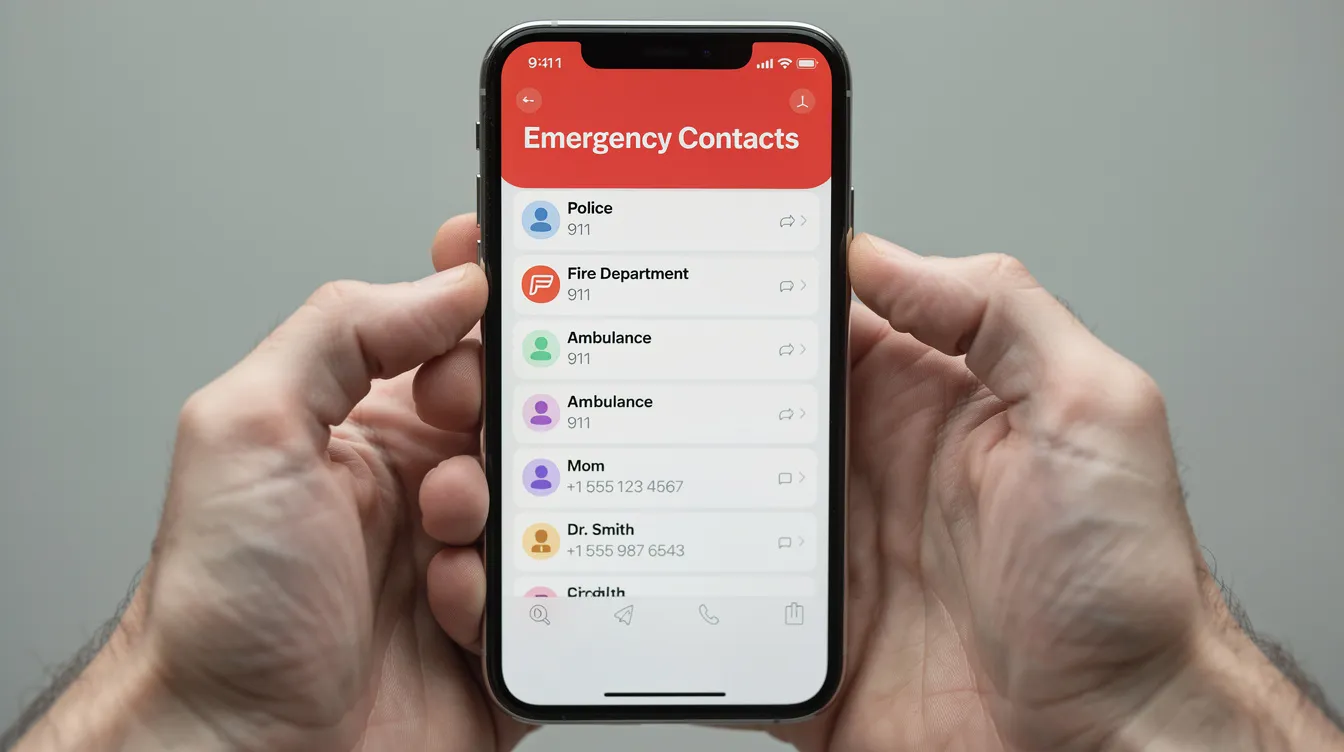
- Emergency numbers: 911, 988, local crisis teams
- Nearby hospitals with psychiatric units
- Current medication list and prior diagnoses
- Emergency contacts for family and healthcare providers
- Agreed-upon actions ("If I notice X, I'm going to ask you about sleep and mood")
Having this plan in writing — and agreed upon while she's stable — removes the "you're overreacting" argument during future episodes. It becomes a tool you both built, not a weapon you're using against her.
Taking Care Of Yourself While Supporting Your Wife
Loving someone with bipolar disorder often leads to exhaustion, resentment, and guilt if you don't protect your own wellbeing.
Caregiver burnout — physical and emotional exhaustion from extended caregiving — is real. Research indicates that up to 46% of caregivers for people with bipolar disorder experience moderate to severe burden, which can lead to depression, anxiety, and physical health problems. Partners often experience elevated anxiety and strain.
Practical self-care strategies:
- Schedule your own therapy sessions
- Attend family support groups through NAMI or the Depression and Bipolar Support Alliance
- Block weekly time for exercise, hobbies, or friends
- Maintain your own social connections and interests
- Set clear financial boundaries (for example: agree in writing that no new debts will be co-signed during risky mood states)
Prioritizing your own wellbeing isn't selfish — it's the only way you'll have the steadiness to be useful to her. You can support, but you cannot fix bipolar disorder or force insight. Feeling conflicted, angry, or hopeless at times is normal and human.
If the weight of this is affecting you, explore comprehensive mental health and family support services — not just for her, but for you.
Looking Ahead: Building A More Stable Partnership
Early, honest conversations about treatment often mark a turning point for couples navigating serious mental health conditions. Yes, bipolar disorder can create significant stress in relationships — the unpredictability of mood episodes and the emotional roller coaster strain communication, create distance, and make long-term planning feel uncertain.
But progress is possible, even when it's uneven. There may be misdiagnoses, medication adjustments, or relapses along the way. Establishing consistent daily routines — regular sleep, regular meals, regular rhythms — helps stabilize mood over time.
Celebrate small steps: booking an appointment, reading about bipolar disorder together, attending one therapy session. These matter more than they feel like they do in the moment.
If you're also navigating addiction alongside mental health symptoms — which happens in roughly half of cases — our guide on loving someone through addiction may be a helpful companion read.
Approaching your wife with respect, specific concerns, flexible options for help, and healthy boundaries is the most powerful way to advocate for both her health and your shared future.
If You Need Help Starting This Conversation
If you've read this far, you're already doing more than most spouses do. You're paying attention, and you care. The next step doesn't have to be a dramatic intervention — sometimes it's just a 15-minute phone call with someone who's helped families like yours before.
At Miracles in Action, our intake team specializes in helping spouses figure out what to do next, without pressure. We offer outpatient treatment for bipolar disorder and dual diagnosis conditions in the greater Los Angeles area, including telehealth options.
📞 Call us at (818) 210-3954 📝 Or fill out our contact form https://www.miraclesinaction.info/~/contact/
We'll walk you through it. No pressure, no pitch — just a conversation with people who understand.
Frequently Asked Questions
How can I tell if it's really bipolar disorder and not just stress or a personality issue?
Only qualified mental health professionals can diagnose bipolar disorder. However, specific patterns are more suggestive than ordinary stress: repeated episodes of very little sleep paired with high energy, followed by weeks of deep depression. Track concrete examples over several months — dates, behaviors, sleep changes, spending, work performance — to share with a clinician. Your goal in the first conversation isn't diagnosing your wife; it's saying, "Something serious is happening, and we need expert help to understand it."
What if my wife thinks I'm trying to control her or "lock her up"?
Acknowledge this fear directly and stay calm: "I'm not trying to control you; I'm trying to keep you safe and protect our family." Emphasize voluntary, outpatient treatment options first — individual therapy, medication management, telehealth. Explain that hospitalization is typically reserved for emergencies involving suicidal intent or dangerous symptoms. Invite her into joint decision-making about which kind of help feels least threatening. Many people with bipolar disorder find that having a voice in their treatment plan increases their willingness to participate.
How do I involve the kids, or should I keep them out of it completely?
Children often sense something is wrong even when nothing is said directly, so age-appropriate honesty usually works better than secrecy. For younger kids, use simple, non-stigmatizing language: "Mom has an illness that affects mood, kind of like when someone has asthma that affects breathing, and doctors are helping her." Keep adult details — finances, specific diagnoses, suicide risk — out of children's conversations. Consider family therapy if kids show anxiety, school problems, or behavior changes. Both you and your children need support during this process.
Is it better to bring up bipolar disorder directly by name, or just talk about "mood swings"?
Both can work. Some spouses feel validated when a clear term like "bipolar disorder" is used, while others feel labeled or attacked. Start with observable patterns — "the big ups and downs," "these intense shifts" — and then gently mention that these patterns can be part of conditions doctors know how to treat. Follow your wife's response: if the word "bipolar" shuts her down, pivot back to specific concerns and the idea of a neutral professional opinion. Meet her where she is, not where you wish she were.
How many times should I bring this up before I consider separation or major changes?
There's no single right number. Decisions about separation depend on safety, chronicity of harm, willingness to seek help, and impact on children. Discuss this question in depth with your own therapist or in couples therapy, where a professional can help assess risk and options. Protecting yourself and any children from ongoing danger, abuse, or severe instability is a legitimate and sometimes necessary choice — even when mental illness is part of the picture. You can love someone and still decide you cannot stay in the situation as it currently exists.