


Bipolar disorder is one of the most misunderstood mental health conditions, and for women, the picture can look very different than what many people expect. If you've been experiencing extreme mood shifts, crushing depression, or confusing bursts of energy that don't match what's happening in your life, you're not imagining things - and you're not alone. This guide walks through how bipolar symptoms show up in women, why hormones matter, and what you can do about it.
Key Takeaways
Bipolar disorder is a serious mental health condition that causes extreme mood swings between mania or hypomania and depression. While it affects men and women in roughly equal numbers, bipolar disorder presents unique patterns in women. Women often have more depressive episodes, mixed episodes, and rapid mood changes than men. Approximately 30% of women with bipolar disorder experience rapid cycling - four or more mood episodes within a single year.
Early bipolar symptoms in women include intense mood swings that feel out of proportion to events, unpredictable energy levels, sleep changes, impulsive or risky behavior, and long periods of deep depression that can stretch for weeks or months. Difficulty concentrating, racing thoughts, and feeling restless are also common warning signs.
Hormonal changes can worsen bipolar symptoms in women. Events like menstruation, pregnancy, the postpartum period, and menopause play a significant role in triggering or intensifying bipolar episodes. These hormonal transitions can destabilize mood in ways that are often dismissed as "just hormones."
Bipolar disorder is treatable with a combination of medication, psychotherapy, lifestyle changes, and social support. Early diagnosis improves long-term well being and reduces complications, including suicide risk - women with bipolar disorder face a suicide risk two to three times higher than men with the same condition. If you recognize these bipolar disorder symptoms in yourself or a loved one, reach out to a healthcare professional and explore resources that promote hope and suicide prevention awareness. In a crisis, call or text 988 (the Suicide & Crisis Lifeline in the U.S.) for free, confidential help 24/7.
What Is Bipolar Disorder and How Does It Affect Women?
Bipolar disorder is a chronic mental health condition that causes repeated bipolar episodes of mania or hypomania and major depressive episodes, separated by periods of relative stability. It's not simply "moodiness" - it's a medical disorder that affects brain function and can disrupt nearly every area of life.
Bipolar disorder often begins in adolescence or early adulthood. Research shows it is often diagnosed in the teenage years or early 20s, with an average onset age of about 21.5 years for women. However, bipolar disorder can start at any age, often in the late teens, and some women first develop symptoms during pregnancy or perimenopause.
Untreated bipolar disorder can cause severe personal and family relationship issues - think missed deadlines at work, impulsive spending that drains savings, conflicts at home that seem to come out of nowhere, or struggling to maintain consistent routines for your children. These aren't character flaws; they're symptoms of a disorder, and partners may benefit from understanding signs of bipolar disorder in a spouse.
Although bipolar disorder affects men and women in similar overall numbers, women are more likely to have a depression-dominant course, rapid cycling, and mood changes linked to hormonal shifts. Misdiagnosis is common: many women are diagnosed only with depression or anxiety disorders when bipolar disorder is actually driving their symptoms, which delays appropriate treatment and increases risk of complications.
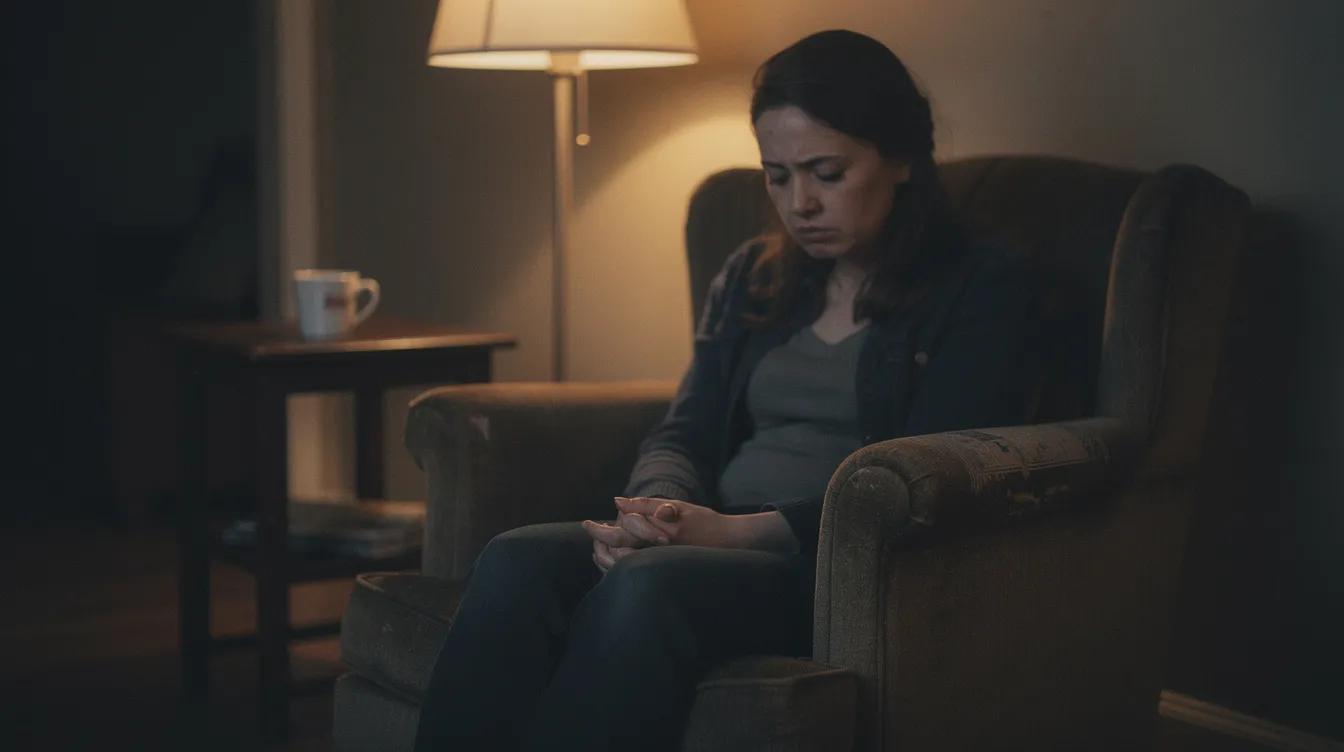
Core Bipolar Symptoms in Women: Mania, Hypomania, and Depression
Symptoms of bipolar disorder cluster into three main categories: high mood (manic or hypomanic episodes), low mood (depressive episodes), and mixed episodes where features of both appear together.
In bipolar I disorder, women experience at least one full manic episode - these are severe manic episodes that cause marked impairment. In bipolar II disorder, women have hypomanic episodes paired with longer depressive episodes without full mania. Bipolar II disorder features longer depressive episodes, which is why many women diagnosed with it spend far more time in depression than in any elevated state.
In women, depressive episodes tend to be more common and longer-lasting than manic episodes, which can mask the underlying diagnosis. Mood swings in bipolar disorder are more intense, longer, and more disruptive than normal ups and downs - they aren't fully explained by life events. Some women may also experience psychotic symptoms such as hallucinations or delusions during severe episodes, requiring urgent hospital care.
Manic and Hypomanic Episodes in Women
A manic episode is at least one week of persistently elevated, irritable, or unusually energized mood with marked impairment. A hypomanic episode is similar but milder - lasting at least four days and clearly different from usual functioning, but not requiring hospitalization.
Typical bipolar symptoms of mania or hypomania in women include:
Feeling "on top of the world" or unusually irritable
Needing little or no sleep without feeling tired
Fast speech and racing thoughts
Increased goal-directed activity
Risky behaviors - excessive spending, impulsive sex, dangerous driving, alcohol or substance use
In real life, mania might look like suddenly launching multiple big projects at once, impulsive online shopping sprees, uncharacteristic flirtation or affairs, or quitting a job on a whim. During full manic episodes, women may develop psychosis - grandiose beliefs, paranoia, or hearing voices - and may need hospitalization.
Women more often present with "mixed" manic symptoms: agitation, irritability, anxiety, and insomnia layered on top of high mood or accelerated energy. These are frequently misinterpreted as anxiety disorders or stress, which delays an accurate bipolar diagnosis.
Depressive Episodes in Women with Bipolar Disorder
A bipolar depressive episode lasts at least two weeks and involves persistent depressed mood or loss of interest, along with other symptoms like fatigue, sleep disturbances, appetite changes, feelings of worthlessness or guilt, and difficulty concentrating. Women are more likely to experience depressive symptoms characterized by anhedonia, fatigue, and feelings of worthlessness.
Women with bipolar disorder are twice as likely to experience depression than men with the condition, with more frequent and longer depressive episodes. In daily life, this might mean being unable to get out of bed, missing work for weeks, withdrawing from friends and family, losing interest in activities you once loved, or struggling with childcare and basic tasks.
Suicidal thoughts, self-harm, and feelings of hopelessness are common during bipolar depressive episodes and require prompt professional attention. A meta-analysis of nearly 80,000 people found that women with bipolar disorder attempt suicide at a rate of approximately 33.7%, compared to 25.5% in men. Women are also more likely to experience psychosis with depression.
Because depression is so prominent in women, bipolar disorder is often misdiagnosed as major depressive disorder. Treatment with antidepressants alone can sometimes worsen severe mood swings or even trigger mania - one reason accurate diagnosis matters so much.
Mixed Episodes, Rapid Cycling, and Mood Swings in Women
Mixed episodes - sometimes called mixed features - occur when symptoms of depression and mania overlap. You might feel extremely agitated and restless but also hopeless, tearful, or suicidal at the same time. Mixed episodes combine symptoms of both mania and depression, and they're more common in females with bipolar disorder.
Women are more likely than men to experience mixed episodes and rapid cycling. Rapid cycling occurs in about 30% of females with bipolar disorder, leading to very unstable mood patterns that can feel like an emotional rollercoaster with no clear off-ramp.
In daily life, mixed episodes can feel terrifying: racing thoughts collide with despair, severe irritability coexists with an inability to sleep, and mood shifts happen without warning. These intense mood changes increase the risk of self-harm and suicidal thoughts, and often require careful medication planning by a psychiatrist.
These patterns are frequently mistaken for borderline personality disorder, complex PTSD, or "just hormones" - misdiagnosis can occur because women's symptoms often mirror other mental health issues like anxiety and personality disorders, delaying the right treatment.
How Hormonal Changes Shape Bipolar Symptoms in Women
Hormonal events influence the course of bipolar disorder more significantly in women than in men. Across the lifespan - from the menstrual cycle to pregnancy, postpartum, perimenopause, and menopause - hormonal changes can trigger or intensify bipolar episodes.
Oestrogen and progesterone interact with brain neurotransmitters like serotonin and dopamine, meaning hormonal shifts can intensify mood swings, sleep disruption, and anxiety. Mood symptoms in women frequently fluctuate with these hormonal changes.
Here's how specific hormonal transitions affect bipolar symptoms:
Menstrual cycle: About 25% of women with bipolar disorder experience premenstrual depression - worsening irritability, low mood, or hypomanic energy in the days before their period. Hormonal fluctuations during menstruation can also alter lithium medication effectiveness, which is something to discuss with your prescriber.
Pregnancy and postpartum: Pregnancy significantly increases the risk of severe bipolar episodes in women. The postpartum period carries a significantly elevated risk for the onset or severe recurrence of bipolar episodes, including postpartum psychosis, especially with a personal or family history of bipolar disorder.
Perimenopause and menopause: Around 20% of women report worsening bipolar symptoms during menopause, including deeper depression and unstable mood. Adjusting medications or considering hormone treatment may help during this transition. More research is needed on optimal approaches.

Other Conditions and Complications More Common in Women with Bipolar Disorder
Women with bipolar disorder often face higher rates of other mental health conditions, including anxiety disorders, PTSD, and eating disorders. These comorbidities can complicate both diagnosis and treatment, making it harder to untangle what's driving which symptoms.
Physical health problems are also more common: obesity, type 2 diabetes, thyroid disease, and heart disease - partly due to the illness itself, partly due to some bipolar medications causing side effects like weight gain and metabolic changes. Bipolar disorder is linked to higher rates of anxiety and sleep disorders as well. Bipolar disorder can also lead to cognitive issues like memory and concentration problems that affect work and daily functioning, which often require structured, specialized bipolar disorder treatment.
Social factors - caregiving responsibilities, childhood trauma, financial stress, relationship conflict - can both trigger bipolar episodes and make recovery harder. Women diagnosed with bipolar disorder should be routinely screened for substance use (including alcohol), domestic violence, and eating disorders, as these issues often need parallel treatment.
Bipolar disorder increases suicide risk by two to three times in women. Although men die by suicide more often overall, women with bipolar disorder attempt suicide an estimated two to three times more frequently.
Diagnosis: How Bipolar Disorder Is Identified in Women
Diagnosis is based on a detailed clinical assessment - not a single blood test or brain scan. A mental health specialist may conduct psychological tests as part of the evaluation, along with a comprehensive review of mood episodes, sleep patterns, behavior changes, substance use, medical conditions, and family history.
Diagnosis involves evaluating mood symptoms and medical history. The challenge is that women often describe their symptoms as depression or anxiety, so healthcare professionals must ask directly about past periods of unusually high energy or high mood, decreased need for sleep, impulsivity, or risky behavior. Physical exams and lab tests - such as thyroid function tests - help rule out medical causes of mood changes.
Bipolar disorder can take time to diagnose due to symptom variability. Tracking symptoms over time with mood diaries or apps helps distinguish bipolar disorder from unipolar depression, borderline personality disorder, or purely hormonal mood changes. Women may face misdiagnosis with unipolar major depressive disorder due to prominent depressive symptoms, so persistence and self-advocacy matter.
Treatment for Bipolar Symptoms in Women
While bipolar disorder is a lifelong condition, many women achieve stable, fulfilling lives with the right treatment plan and ongoing support. Bipolar disorder treatment includes medication and psychotherapy, and treatment plans depend on symptom severity and history.
Medication options include:
Mood stabilizers (lithium, lamotrigine, valproate)
Atypical antipsychotics (quetiapine, olanzapine)
Cautious use of antidepressants combined with mood stabilizers
Some bipolar medications can cause side effects - weight gain, thyroid changes, metabolic issues - so regular monitoring is essential. Electroconvulsive therapy may be recommended for severe symptoms that don't respond to medication. Women may require different treatments due to hormonal factors.
Psychotherapy approaches that help:
Cognitive behavioral therapy (CBT)
Interpersonal and social rhythm therapy (stabilizing routines, enough sleep)
Family-focused therapy and psychoeducation about bipolar episodes
Lifestyle strategies include maintaining regular sleep and meal times, limiting alcohol and recreational drugs, managing stress through exercise, and building strong support groups. Self esteem can improve as stability increases.
For women-specific needs: plan pregnancies with both a psychiatrist and obstetrician, review medications before conception, manage postpartum sleep carefully, and adjust treatment around perimenopause and menopause when hormonal changes can alter bipolar symptoms.

When to Seek Help and When It's an Emergency
Book a routine appointment if you notice recurring extreme mood swings, mood episodes with high energy and little sleep, or a depressive episode lasting more than two weeks that interferes with daily life - feeling sad for long periods without clear reason, or losing the ability to lose interest in things you normally enjoy.
Seek urgent care if there are signs of psychosis (hearing voices, strong paranoia, fixed false beliefs), dangerous impulsive behaviors (reckless driving, severe overspending, unsafe sex, substance binges), or if one idea after another races through your mind and you can't stop.
Emergency red flags requiring immediate help:
Active suicidal thoughts or specific plans for self-harm
Intent to harm others
Postpartum confusion and agitation suggesting postpartum psychosis
Crisis resources: In the U.S., call or text 988 for the 988 Suicide & Crisis Lifeline - 24/7, free, confidential. In the UK, contact Bipolar UK or the Samaritans. In other countries, contact local emergency numbers or hospital emergency departments.
Seeking emergency help for mental disorders like bipolar disorder is a sign of strength, not weakness. Alongside crisis care, practicing simple self-care steps during a crisis can support safety and stabilization. It can be lifesaving, especially during severe manic, depressive, or mixed episodes.
FAQs About Bipolar Symptoms in Women
Can hormones alone cause bipolar disorder in women?
Hormones do not directly "cause" bipolar disorder. The condition is believed to result from a combination of genetic factors, biological differences in brain function, and environmental influences including childhood trauma and stress. However, major hormonal changes - such as childbirth, perimenopause, or starting or stopping hormonal contraception - can trigger a first bipolar episode or worsen existing bipolar symptoms in women who are already vulnerable. Tracking mood across your menstrual cycle or life stages and sharing this with your clinician can help tailor your treatment.
How can I tell the difference between normal mood swings and bipolar disorder?
Normal mood swings are usually brief, clearly linked to events, and don't severely disrupt daily functioning. Bipolar mood episodes last days to weeks, feel out of proportion to circumstances, and cause significant problems - missing work, relationship breakdowns, or dangerous impulsive behaviors. If intense mood or energy shifts keep repeating over time or cause serious consequences, seek a professional mental health evaluation rather than trying to self-diagnose based on a systematic review or online quiz.
Is bipolar disorder more common in women than in men?
Overall prevalence is similar, but women tend to experience different patterns. Women are more likely to have bipolar II disorder, rapid cycling, more depressive episodes, and mood changes closely tied to hormonal shifts. Because depressive symptoms are so prominent in women, bipolar disorder may be under-recognized or misdiagnosed - giving the false impression that it's less common than it really is.
Can bipolar disorder be managed during pregnancy and breastfeeding?
Many women with bipolar disorder have healthy pregnancies and babies, but pregnancy and the postpartum period carry higher risk for severe bipolar episodes, including postpartum psychosis. Planning pregnancy with both a psychiatrist and an obstetric provider is essential to weigh medication risks and benefits. Never stop bipolar medications suddenly without medical guidance - abrupt withdrawal can trigger serious episodes during pregnancy or after birth.
What lifestyle changes help women manage bipolar symptoms long term?
Consistent habits make a real difference: a regular sleep schedule, regular meals, moderate daily exercise, limiting caffeine and alcohol, and avoiding recreational drugs. Building a support network of trusted family, friends, and peer support groups is equally important. Creating a written plan for early warning signs of mood episodes - and tracking mood, energy, sleep, and your menstrual cycle with an app or journal - helps you and your clinician spot patterns and adjust treatment proactively.