

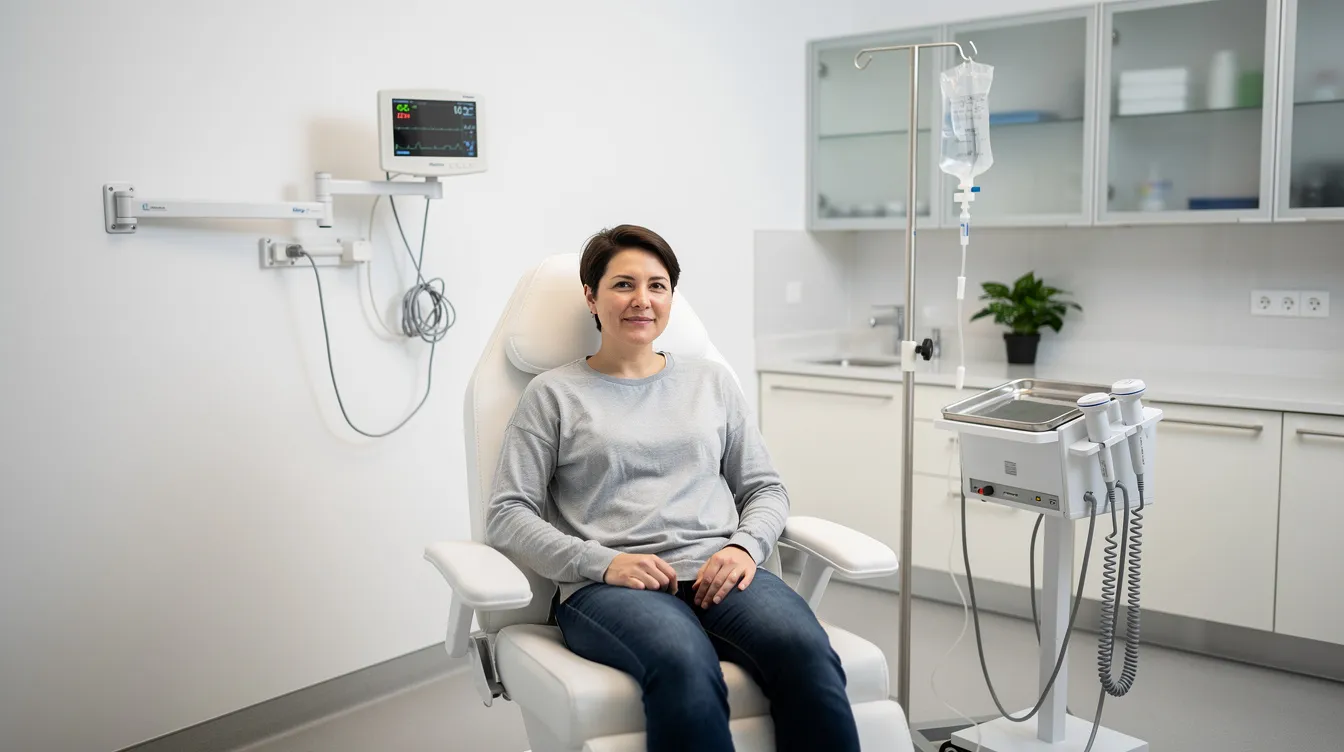
If you've been living with depression that hasn't budged despite trying medication after medication, you're not alone - and you're not out of options. Brainwave therapy for depression has become one of the most talked-about areas of mental health treatment, and for good reason. These approaches use targeted brain stimulation to shift the neural circuits that keep you stuck in a depressive state, often when nothing else has worked. This guide walks you through every major option available in 2026, from noninvasive treatments you can fit into a lunch break to surgical interventions reserved for the most resistant cases.
Key Takeaways
Brainwave therapy for depression primarily refers to brain stimulation therapies like repetitive transcranial magnetic stimulation, Deep TMS, and neurofeedback - all designed to modulate brain activity and ease depression symptoms when standard treatments fall short.
About 60% of patients with treatment resistant depression respond to TMS protocols, and newer options like Deep TMS and accelerated theta-burst stimulation are expanding access and cutting down session times.
These therapies vary widely in invasiveness: rTMS and neurofeedback require no anesthesia or surgery, while electroconvulsive therapy needs general anesthesia and deep brain stimulation involves neurosurgery. Side effects range from mild scalp discomfort to memory concerns with ECT.
Safety screening matters - contraindications include metal implants near the head, cochlear implants, uncontrolled seizure disorder, and certain cardiac devices. A thorough medical evaluation before starting treatment is essential.
Brainwave therapy works best as part of a broader treatment plan that includes talk therapy, lifestyle changes, and sometimes medication, rather than as a standalone cure.
Understanding Brainwave Therapy for Depression
So what exactly does "brainwave therapy for depression" mean? In the broadest sense, brainwave therapy generally refers to neurofeedback or brainwave entrainment - techniques that aim to retrain or synchronize your brain's electrical patterns. But in clinical practice, the term has expanded to include the full range of brain stimulation therapies that target the neural circuits involved in mood regulation.
Clinical depression is linked to dysregulated electrical activity across brain regions. In major depressive disorder, areas like the left dorsolateral prefrontal cortex tend to be underactive, while deeper structures such as the subgenual cingulate can be overactive. Brainwave therapy aims to rebalance these circuits.
The main clinical approaches covered here include:
Repetitive transcranial magnetic stimulation (rTMS) and its variants
Deep transcranial magnetic stimulation (Deep TMS)
Electroconvulsive therapy (ECT)
Deep brain stimulation (DBS)
Vagus nerve stimulation (VNS)
Neurofeedback and brainwave training
In 2026, several of these therapies are FDA cleared for major depressive disorder and other mental health conditions, with expanding insurance coverage and ongoing clinical trials pushing the field forward. Treatment resistant depression affects about one-third of patients with major depression, making these alternatives more important than ever.
How Brain Stimulation Helps in Major Depressive Disorder
Depression isn't simply feeling sad - it's a disruption in how brain networks communicate. Reduced brain activity in the prefrontal cortex means less capacity to control mood, plan, or feel motivation. Meanwhile, overactive deep brain regions can amplify negative emotional loops.
Brain stimulation therapies activate or inhibit the brain with electricity or magnetic fields to "nudge" these neural circuits back toward healthier patterns. Here's the key idea: neuroplasticity refers to the brain's ability to adapt and reorganize through experience. When you repeatedly stimulate underactive regions, you're essentially encouraging the brain to build stronger, more flexible mood-regulating pathways over time.
Take transcranial magnetic stimulation TMS as an example: an electromagnetic coil placed near the scalp delivers magnetic pulses that induce tiny electrical currents in targeted cortical areas - no surgery needed. Over several weeks, this repeated stimulation helps stimulate nerve cells and restore connectivity in depression-related brain networks.
Many patients report gradual symptom relief that builds over the treatment course, with improvements in both depressive symptoms and anxiety and depression together. But here's what's important to understand: brainwave therapy is rarely a standalone cure. It works best when combined with psychotherapy, lifestyle changes, and sometimes medication.
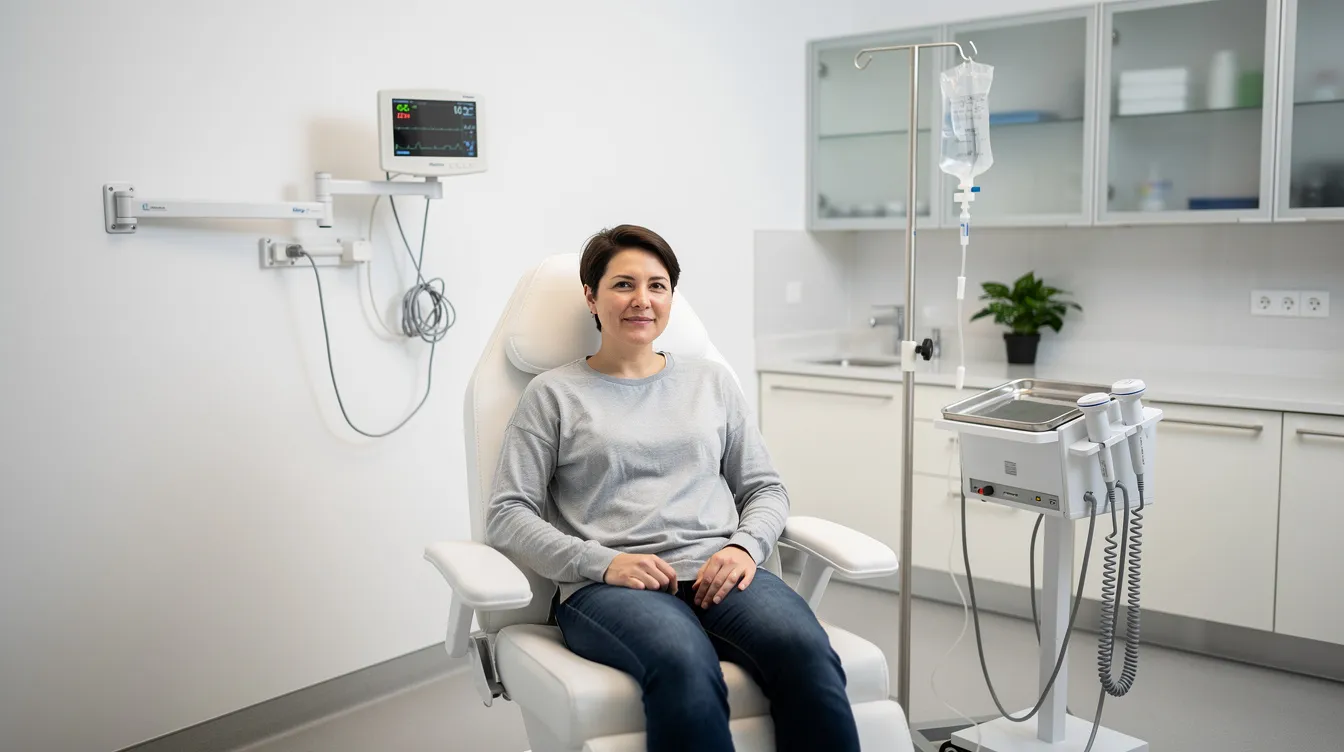
Repetitive Transcranial Magnetic Stimulation (rTMS) Explained
Repetitive transcranial magnetic stimulation is a noninvasive procedure that uses an electromagnetic coil placed against the scalp to deliver repeated magnetic pulses into specific brain regions. Think of a TMS machine as a highly focused magnetic coil that sends energy through your skull to wake up underperforming nerve cells - no cuts, no anesthesia, no hospital stay.
Repetitive TMS is used when standard treatments fail. Here's what a typical course looks like:
Frequency: TMS sessions are typically done five days a week for six weeks
Session length: TMS treatments typically last 30-40 minutes each session
Target: The left dorsolateral prefrontal cortex, a region critical for mood regulation and decision-making
Pulses: Approximately 3,000 repeated magnetic pulses per session in standard protocols
The results are meaningful. About 60% of patients with treatment resistant depression respond to standard TMS protocols, with remission rates around 30-35% in large studies. TMS does not require anesthesia or surgery, and TMS can improve depression symptoms after a few weeks of treatment. Benefits often last several months, with optional booster sessions available if symptoms return.
In 2026, rTMS treatment is FDA cleared for unipolar major depression and is also used as an adjunct for obsessive compulsive disorder, with off-label applications for PTSD and chronic pain under investigation.
Deep TMS and Other Advanced TMS Protocols
Deep transcranial magnetic stimulation takes the concept of standard rTMS and pushes it further - literally. Deep TMS coils stimulate deeper brain areas than standard rTMS coils, using specialized H-coils that reach broader prefrontal and reward-related regions.
Deep TMS is FDA cleared for major depressive disorder, obsessive compulsive disorder (helping reduce OCD symptoms), and smoking cessation. In the landmark "Never Too Late" Phase IV study of 247 older adults (ages 60-91) with treatment resistant depression, Deep TMS delivered impressive outcomes after 30 sessions: roughly 79% response rate and 60% remission rate. Onset of meaningful improvement occurred around 14 sessions, or about 20 days.
Sessions typically run about 20 minutes - shorter than standard rTMS - and follow a similar near-daily schedule over several weeks.
Another innovation is intermittent theta-burst stimulation (iTBS), which delivers bursts of magnetic pulses patterned on natural theta brain rhythms. Sessions can be as short as 3 minutes, making iTBS attractive for busy outpatient clinics.
Feature | Standard rTMS | Deep TMS | iTBS |
|---|---|---|---|
Session length | 20–40 min | ~20 min | ~3 min |
Depth of stimulation | Superficial cortex | Deeper prefrontal regions | Superficial cortex |
Response rate (TRD) | ~50-63% | ~70-80% (late-life data) | ~45-50% |
FDA cleared for MDD | Yes | Yes | Yes |
All three are noninvasive and do not require anesthesia. TMS works by using magnetic fields to stimulate targeted nerve cells, and the choice between protocols often depends on your specific situation, available equipment, and how your clinician weighs the evidence. |
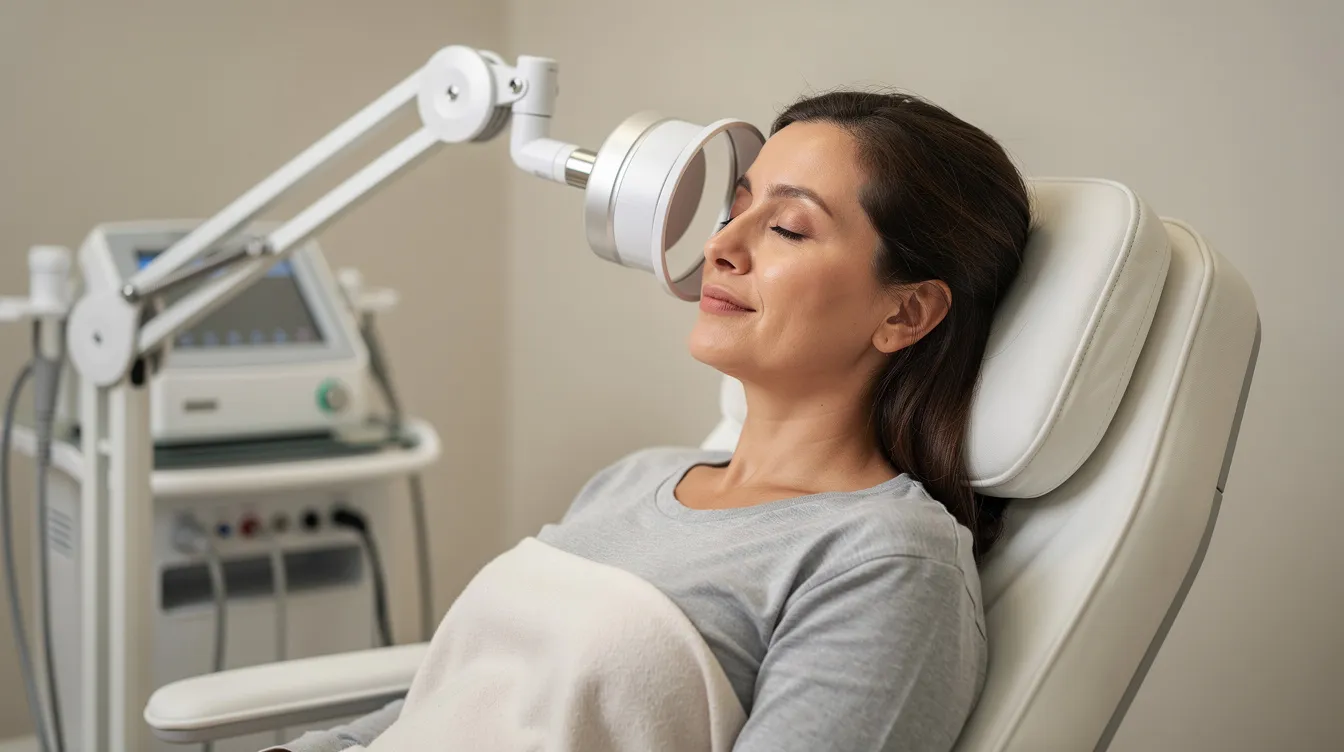
Electroconvulsive Therapy (ECT) vs Noninvasive Brainwave Therapies
Electroconvulsive therapy is one of the oldest and most researched brain stimulation therapies for severe depression. ECT is a highly effective treatment for severe depression, particularly when psychosis, catatonia, or life-threatening suicidal ideation demands the fastest possible response.
Here's what happens during ECT:
You receive general anesthesia and a muscle relaxant
Electrodes are placed on your scalp
A brief, controlled electrical current induces a seizure lasting under a minute
Treatments happen 2-3 times per week for 6-12 sessions
Response rates reach 70-80% in severe depression, with about 50-60% achieving remission in unipolar depression. That's the highest of any brain stimulation therapy available. After anesthesia wears off, patients typically rest briefly before going home.
The tradeoffs are real, though. Memory loss and temporary confusion are the most common cognitive side effects. Modern brief-pulse and ultra-brief-pulse techniques aim to reduce these risks. And despite lingering stigma, ECT does not involve "painful shocks" - you're fully anesthetized throughout.
How do clinicians decide between ECT and noninvasive brainwave therapies? It comes down to severity of depression symptoms, urgency of response needed, medical history, and patient preference. For moderately severe but not life-threatening treatment resistant depression, many clinicians start with rTMS or Deep TMS as a noninvasive therapy. When the situation is more urgent, ECT often becomes the first choice.
Deep Brain Stimulation and Other Invasive Options
Deep brain stimulation is a neurosurgical experimental treatment where thin electrodes are implanted into specific deep brain targets - such as the subgenual cingulate or nucleus accumbens - and connected to a pulse generator implanted in the chest, similar to deep brain stimulators used for Parkinson's disease.
As of 2026, DBS for depression remains investigational in the United States and is not FDA approved for major depressive disorder. However, a recent meta-analysis of 25 trials found large effect sizes for symptom reduction, particularly with subcallosal cingulate targets, with benefits increasing over months and years of stimulation.
The DBS process involves pre-surgical MRI planning, several-hour surgery under general anesthesia, placement of the chest-mounted pulse generator, and ongoing programming visits to fine-tune settings. It's reserved for people who have exhausted medications, psychotherapy, and noninvasive brain stimulation therapies.
Vagus nerve stimulation is another implantable option. A small pulse generator in the chest sends regular electrical bursts to the vagus nerve in the neck, which indirectly modulates brain activity. VNS is FDA approved for chronic treatment resistant depression, but evidence remains mixed, and some clinical guidelines recommend caution given the surgical burden relative to the modest benefits seen in randomized trials.
Neurofeedback and Brainwave Training for Anxiety and Depression
Neurofeedback - also called EEG biofeedback - is a noninvasive, drug-free method for emotional regulation that takes a different approach from other brain stimulation therapies. Instead of delivering energy to the brain, neurofeedback trains the brain to self-regulate electrical activity by providing real-time feedback.
During a session, sensors on your scalp record brain activity. That data appears on a screen as a game or movie: when your brainwave patterns hit the target range, you're rewarded with a clearer picture or points. EEG neurofeedback aims to change specific brainwave patterns to alleviate symptoms of depression. Sessions often target alpha and theta waves to reduce depressive symptoms and improve emotional regulation.
Brainwave entrainment uses external sensory stimuli - like rhythmic light or sound - to synchronize brain rhythms toward desired states. Both neurofeedback and entrainment approaches aim to improve emotional regulation and reduce depressive symptoms.
The honest picture: neurofeedback has promising but more variable research support than rTMS for major depressive disorder. Neurofeedback studies often have small sample sizes and variable protocols, making it harder to draw firm conclusions. Neurofeedback requires a commitment of multiple sessions over several weeks - typically 20-40 or more - and response differs widely between individuals. It's best viewed as part of a comprehensive mental health plan rather than a primary treatment for significant mental illness.
Conditions Brainwave & Brain Stimulation Therapies Can Help
The primary focus of brain stimulation therapies is major depressive disorder, especially for adults who have tried several antidepressants and psychotherapy without adequate improvement. But these tools aren't limited to unipolar depression alone.
Other therapies and other brain stimulation therapies are FDA authorized or widely researched for:
Obsessive compulsive disorder (Deep TMS)
Smoking cessation (Deep TMS)
Bipolar disorder depressive episodes (with careful monitoring)
Certain mental health conditions like PTSD and tinnitus (in research settings)
Certain migraine protocols
Many brainwave therapy patients report improvements in both mood and anxious arousal - anxiety and depression often travel together. Deep TMS and rTMS protocols have also demonstrated safety and benefit in late-life depression, with older adults showing response rates comparable to younger populations.
No single brain stimulation therapy is a universal fix for all mental health disorders. Treatment choice depends on diagnosis, medical history, severity, and goals - ideally decided in partnership with a psychiatrist or neuromodulation specialist.
Safety, Side Effects, and Who Is (and Isn't) a Candidate
Noninvasive brain stimulation therapies like rTMS and Deep TMS are generally well tolerated. They don't require anesthesia, surgery, or hospital stays. Most people drive themselves home after a session and return to normal activities immediately.
Common side effects of TMS-type treatments:
Scalp discomfort and tapping sensations at the treatment site - discomfort at the treatment site is a common side effect
Facial muscles twitching during pulses
Temporary headaches - TMS can cause headaches or migraines in some patients
Tinnitus can occur after TMS treatment due to loud sounds (earplugs are standard)
Uncommon but serious risks:
The risk of seizures from TMS is about 0.1% in carefully screened patients
Syncope or fainting can occur due to anxiety or dehydration during sessions
Who is typically eligible: Adults with major depressive disorder who have failed at least one or two adequate antidepressant trials, have discussed pregnancy risks if applicable, and have no conflicting devices.
Contraindications include:
Metal in or near the skull (surgical clips, aneurysm coils, deep brain stimulators)
Cochlear implants
Certain pacemakers or implanted defibrillators
Uncontrolled seizure disorder or epilepsy
Recent traumatic brain injury
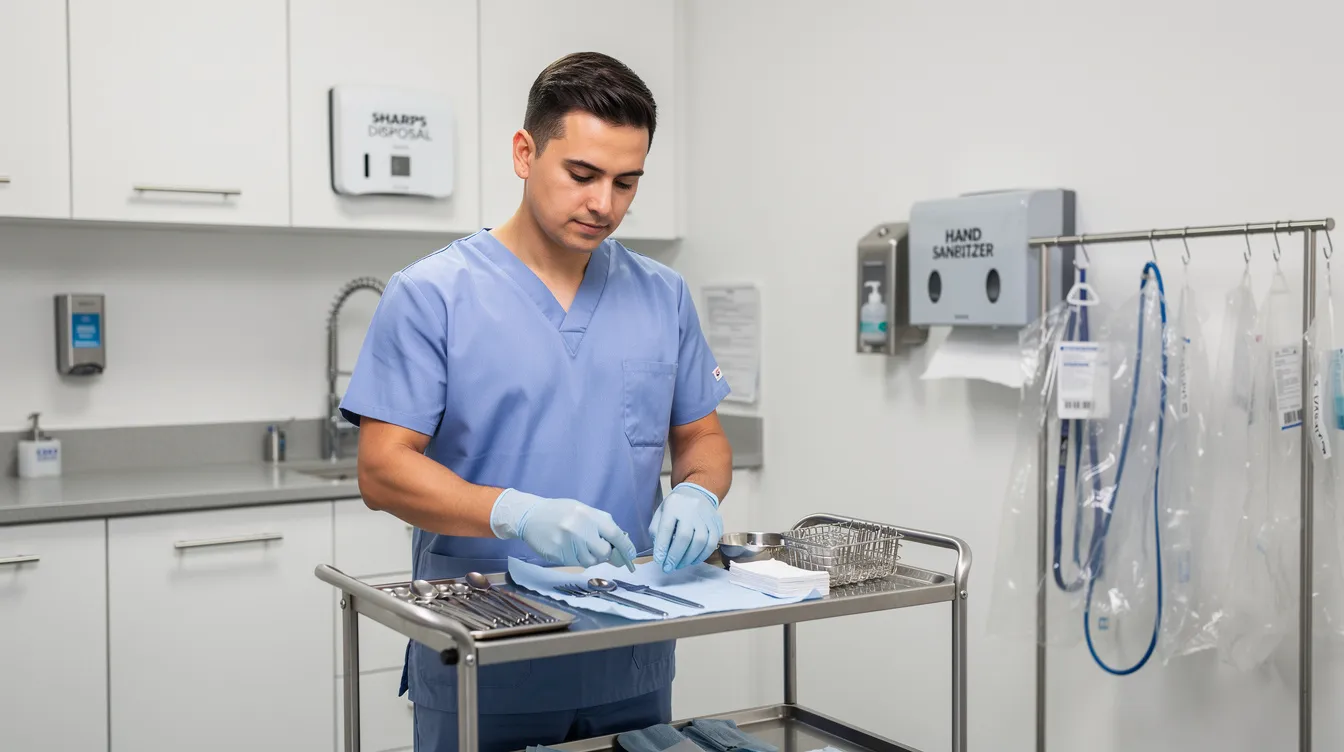
What to Expect Before, During, and After Treatment
Before starting treatment, your clinician will conduct a psychiatric assessment, review depression rating scales, examine your medical history, and perform a focused neurological exam. This evaluation ensures brain stimulation therapy is safe and appropriate for you.
Your first appointment involves determining your motor threshold - the TMS machine stimulates your motor cortex at increasing intensities until your thumb or hand twitches. This calibration sets the right stimulation strength. The clinician then maps your scalp and marks the optimal spot, typically over the left dorsolateral prefrontal cortex.
During sessions, you'll sit in a comfortable chair with the TMS coil placed at the marked spot. You'll feel rhythmic tapping on your scalp and hear clicking sounds through earplugs. Sessions follow a predictable rhythm, and most people read, watch videos, or simply relax. Each standard session lasts about an hour when you include setup time, though the actual stimulation runs 30-40 minutes.
Afterward, you can drive, work, and go about your day. Some people experience mild headache or fatigue that resolves quickly.
Timeline for results: Some patients notice mood shifts within 1-2 weeks. Others require the full course - most patients receive TMS five days a week for six weeks - before meaningful change arrives. Follow-up visits track progress and help adjust your treatment plan.
Integrating Brainwave Therapy into a Broader Mental Health Plan
Brainwave therapies can provide complementary support to traditional treatments, but they shine brightest when woven into a broader mental health strategy. Effective treatments for depression combine brain stimulation with evidence-based psychotherapy and other holistic treatment modalities like CBT or interpersonal therapy, healthy sleep habits, regular exercise, and supportive social connections.
Collaboration between providers matters. Your psychiatrist, primary care clinician, and neuromodulation provider should coordinate care - including medication adjustments before, during, and after treatment. Some patients benefit from other depression treatments alongside brain stimulation.
Relapse is a reality. Some patients benefit from occasional maintenance TMS sessions or booster series if depression symptoms gradually return. There's no shame in needing a tune-up - it's part of managing a chronic condition.
On the practical side, most insurance companies now cover rTMS and Deep TMS for approved indications when treatment resistance criteria are met, but prior authorization is almost always required. Bring documentation of failed antidepressant trials to speed up the process.
While no treatment works for everyone, modern brainwave-based therapies give many people with long-standing mental illness a real avenue for improvement in quality of life.
How to Talk with Your Clinician About Brainwave Therapy
Prepare for the conversation by bringing:
A list of current medications and doses
Previous treatment trials and how long you tried each
Side effects you've experienced
The specific depression symptoms you most want to improve
Questions worth asking:
"Am I a candidate for repetitive transcranial magnetic stimulation?"
"How does brain stimulation compare with increasing my medication dose?"
"What are the realistic benefits and risks for someone with my history?"
Look for clinics led by board-certified psychiatrists using FDA cleared devices, with transparent discussion of risks and use of standardized rating scales to track mental health outcomes. Encourage trusted family or friends to join the conversation when comfortable, especially for more intensive interventions.
Asking about brainwave therapy does not commit you to anything. It's simply an informed step toward understanding every option available for major depressive disorder and related conditions.
Frequently Asked Questions
How long do the benefits of brainwave therapy for depression usually last?
Many patients who respond to rTMS or Deep TMS remain improved for several months, with around half maintaining remission at roughly six months in some studies. Long-term durability varies: some people feel well for a year or more, while others notice symptoms return and benefit from booster sessions. Ongoing follow-up with a clinician, continued talk therapy, or medication helps sustain gains from brain stimulation therapy.
Can brainwave therapies replace antidepressant medication completely?
Some individuals eventually reduce or discontinue antidepressants after successful brain stimulation therapy, but many continue medication at lower or similar doses for stability. Changes to medication should always be guided by a prescribing clinician - abrupt self-discontinuation can worsen depression or cause withdrawal symptoms. It's best to view brainwave therapy as a complementary tool rather than a guaranteed replacement for all other treatments.
Is brainwave therapy safe during pregnancy or breastfeeding?
Data on rTMS during pregnancy is growing and generally reassuring but still limited. Decisions must weigh the risks of untreated severe depression against potential but not fully known risks of stimulation. Pregnant or breastfeeding individuals should discuss options with both their psychiatrist and obstetric provider. ECT sometimes remains the preferred noninvasive procedure in urgent cases during pregnancy. Never start any brain stimulation treatment in pregnancy without specialist input and individualized risk-benefit discussion.
What is the difference between brainwave apps and clinical brain stimulation therapies?
Consumer "brainwave" or binaural beat apps deliver specific sound frequencies or relaxation exercises. Binaural beats and similar techniques are considered relaxation aids rather than clinical treatments for depression. Clinical therapies like rTMS, Deep TMS, or neurofeedback use FDA cleared devices or structured medical protocols under professional oversight. While relaxation apps can be helpful adjuncts for general well-being, they should not replace evaluation and treatment from the National Institute of Mental Health-recommended approaches for significant depression symptoms or other mental health conditions.
How do I know if I should consider ECT instead of TMS or Deep TMS?
Clinicians typically favor ECT when depression is accompanied by psychosis, inability to eat or drink, catatonia, or imminent risk of suicide - situations where the fastest possible symptom relief is critical. For moderately severe but not life-threatening treatment resistant depression, many patients and clinicians start with rTMS or Deep TMS because these options involve fewer cognitive side effects, no general anesthesia requirement, and outpatient convenience. The best option depends strongly on your individual circumstances, and a psychiatrist experienced in both ECT and noninvasive brain stimulation can help you weigh the pros and cons.