

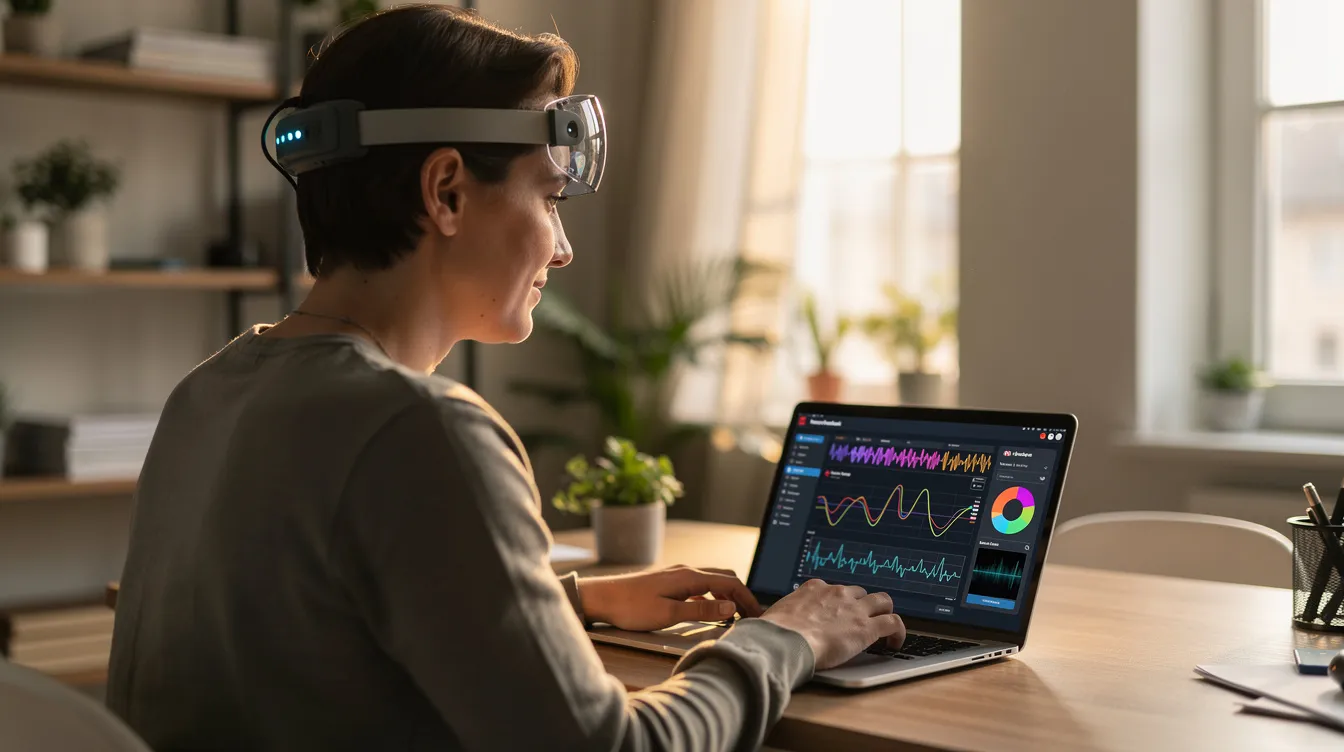
If you've been searching for answers beyond medication or wondering whether there's a way to train your brain toward calmer, sharper functioning, you're in the right place. This complete guide to neurofeedback therapy walks you through everything you need to know: what it is, how it works, who it helps, and the honest, practical details about costs, timelines, and what to expect along the way.
Key Takeaways
This guide covers neurofeedback therapy from the science behind it to your first appointment and beyond. Here's what matters most:
Neurofeedback is a non-invasive, drug free approach that uses EEG technology to train brain waves and improve brain function, helping with focus, mood, sleep, and stress without medication.
qEEG brain mapping creates a color-coded visual of how different brain regions are functioning, allowing clinicians to build personalized treatment plans tailored to your unique brain wave patterns.
The strongest current evidence supports neurofeedback for ADHD, anxiety disorders, sleep disorders, post-concussion symptoms, and performance optimization, with growing research into depression, PTSD, and other conditions.
A typical course involves a brain map plus 20 to 40 sessions, scheduled 1 to 3 times per week. Neurofeedback is generally safe with mild, temporary side effects. Costs range from $100 to $200 per session, and results build gradually over multiple sessions.
What Is Neurofeedback Therapy? (A Complete Guide Overview)
Neurofeedback therapy is a form of brain training that helps your brain learn to self regulate its own electrical activity. Using EEG sensors placed on the scalp, a clinician measures your brainwave activity in real time and provides feedback, usually through a screen or sound, that gently guides your brain toward healthier patterns of functioning.
You may hear it called different things: neurofeedback, eeg neurofeedback, neurotherapy, or eeg biofeedback. These all refer to the same core approach. What makes neurofeedback different from other types of biofeedback is its specific focus on the brain, measuring and training the electrical signals your brain produces moment by moment.
Neurofeedback began in the late 1950s and 1960s, when researchers discovered that people could influence their own brain activity when given real time feedback about it. Since then, the field has evolved considerably, with better equipment, more refined protocols, and a deeper understanding of how the brain's adaptability, called neuroplasticity, allows new and healthier patterns of brain activity to form through repeated training.
Here's an important distinction: neurofeedback isn't a replacement for medication or therapy. It's an innovative approach that targets underlying brain function directly. Many clinicians use it alongside other interventions like talk therapy or medication as part of a comprehensive treatment plan, not instead of them. Think of it as training wheels for your brain: helping the brain learn to do what it already has the capacity to do, just more reliably.
How Neurofeedback Works: From Brain Waves to Training
At its core, neurofeedback translates your brain's moment-to-moment activity into visual or auditory feedback that rewards healthy brain wave patterns. It's surprisingly straightforward once you understand the basics.
Your brain constantly produces electrical signals across different frequency bands, each linked to specific mental states:
Delta waves (0.5–4 Hz): Deep sleep and unconscious processes
Theta waves (4–8 Hz): Drowsiness, daydreaming, and inattention
Alpha waves (8–12 Hz): Relaxed wakefulness and calm reflection
Beta waves (12–30 Hz): Active thinking, alertness, and focused attention
Gamma waves (above 30 Hz): High-level information processing and perception
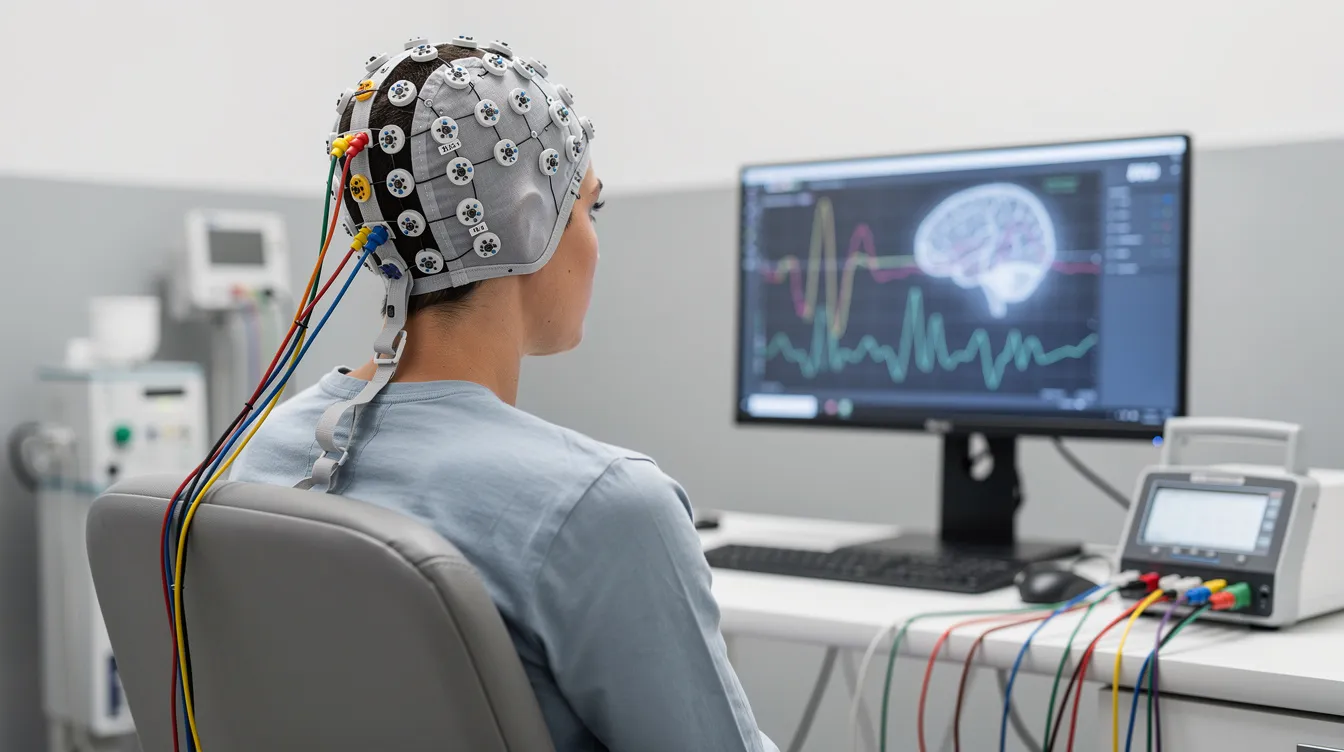
During a neurofeedback session, sensors monitor these brain waves by detecting tiny voltage changes from groups of neurons firing together. Software converts that electrical activity into live graphs, games, or videos on a computer screen.
The feedback loop is the heart of the process. When your brain moves toward a desired pattern, say more focused beta waves and fewer slow theta waves, the screen brightens, a game speeds up, or a sound becomes clearer. When your brain drifts away from that pattern, the feedback dims or pauses. Neurofeedback utilizes principles of neuroplasticity and operant conditioning: the brain is gently rewarded 4 to 10 times per second for producing desirable patterns. Feedback loops reward the brain for achieving those target wave patterns, and over time, this trains the brain to sustain healthier wave patterns automatically in daily life.
Neurofeedback uses real time feedback to train brain activity, and because this process relies on the brain's own capacity to learn, it can help harmonize brain waves without medications.
What Happens in a Neurofeedback Session?
Walking into your first neurofeedback session can feel unfamiliar, but the process itself is calm, painless, and pretty low-key. Here's what typically happens.
Step by step, a session looks like this:
Check-in: A brief conversation about how you've been feeling, any changes in sleep, mood, or symptoms since your last visit
Scalp preparation: The clinician cleans a few spots on your scalp where electrodes will go
Sensor placement: Small EEG sensors are attached to specific scalp locations (or a cap is placed), and the equipment is calibrated
Training begins: You sit comfortably and engage with the training program
Feedback during sessions can be visual or auditory cues based on brain activity. Common formats include watching a movie that brightens or dims with your brainwave activity, playing a simple game controlled by your brain waves on a computer screen, or listening to sounds that change with brain function. Neurofeedback sessions can help improve focus and relaxation, and the experience often feels surprisingly passive: you're just watching or listening while your brain does the learning.
Neurofeedback sessions typically last 45 minutes each, with 30 to 45 minutes of actual training within a 45 to 60-minute appointment. Most people attend 1 to 3 times per week over 2 to 4 months. And increasingly, many clinics now offer remote neurofeedback with wearable EEG devices, supervised and adjusted online by a clinician, making it easier to fit training into a busy schedule.
Brain Waves and Brain Mapping: Understanding Your Brain Map
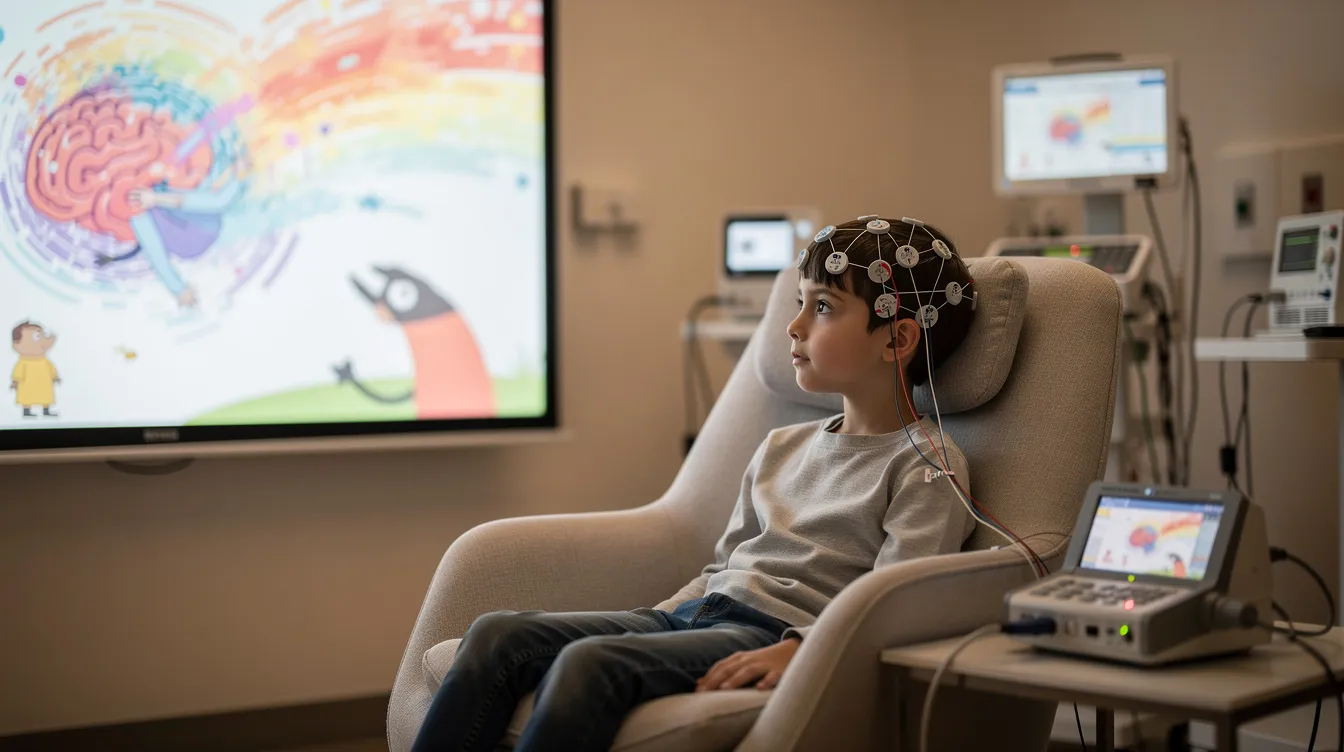
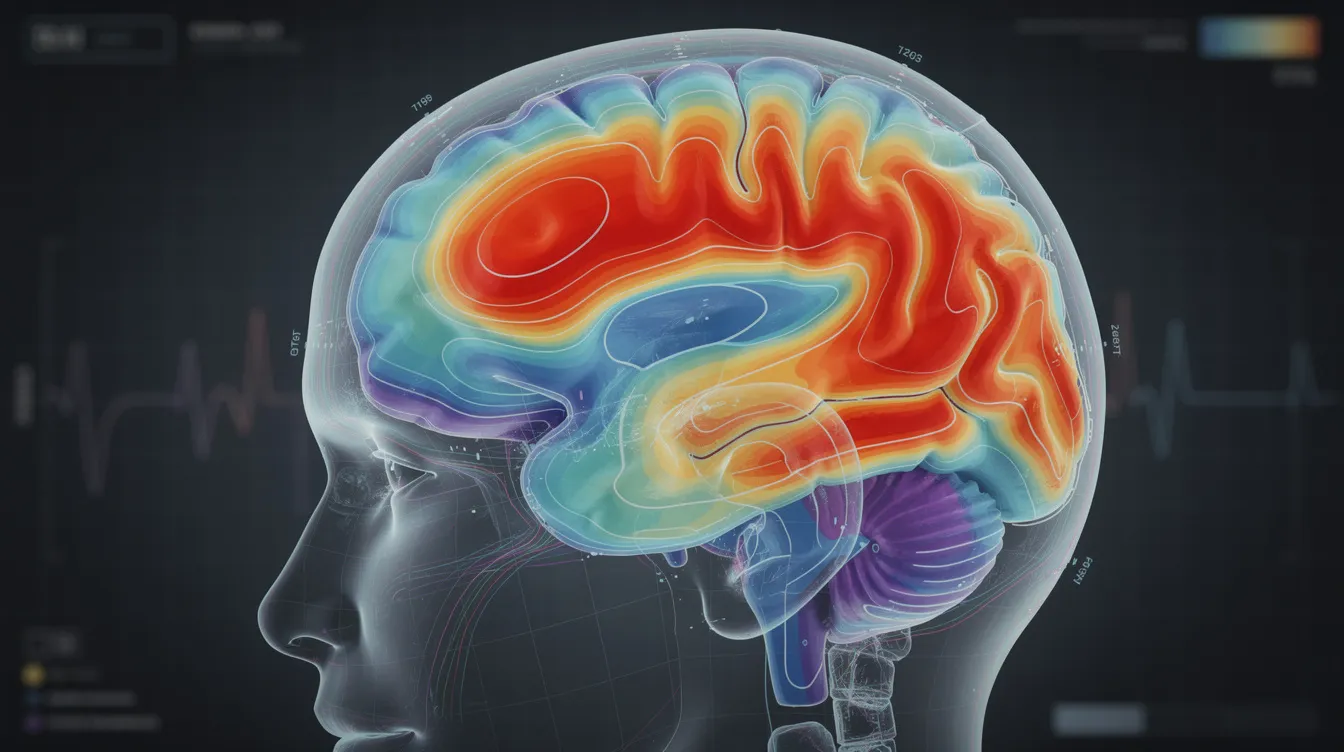
Brain mapping, formally known as quantitative EEG or qEEG, is a detailed analysis of your EEG data that creates a color-coded "brain map" showing brainwave patterns across different regions of your head. Brain mapping uses EEG to measure brain electrical activity, and a qEEG generates a map of brain wave patterns that becomes the foundation of your treatment plan.
Here's how it works:
You wear a cap fitted with 19 to 32 sensors. The clinician records 10 to 20 minutes of eyes-open and eyes-closed EEG. That data is then compared to an age-matched normative database, a large collection of recordings from healthy individuals, using statistical analysis.
The resulting map uses colors to show deviations from the norm. Blue might indicate lower-than-average activity in a frequency band, while red flags higher-than-average activity. Interpretation depends on the brain wave type and the region involved, not simply on whether a color looks "good" or "bad."
How brain maps connect to symptoms:
Brain Map Finding | Possible Symptom Link |
|---|---|
Excess frontal theta | Inattention, difficulty concentrating |
Fast beta in central regions | Anxiety, insomnia, hyperarousal |
Frontal alpha asymmetry | Mood issues, depression tendencies |
Disrupted connectivity patterns | Post-concussion or brain injury symptoms |
There are two types of brain mapping: structural (like MRI scans showing anatomy) and functional (like qEEG showing brain activity in real time). Neurofeedback relies on functional mapping. Brain mapping helps identify areas needing neurofeedback training, and brain mapping can personalize neurofeedback treatment plans so your protocol targets exactly what your brain needs, not a generic one-size-fits-all approach. |
That said, a brain map is one piece of a comprehensive assessment. It must be interpreted by trained professionals and integrated with your clinical history, symptoms, and goals.
Clinical Applications: What Can Neurofeedback Help With?
Neurofeedback has the strongest evidence for certain conditions, promising early evidence for others, and limited or experimental support in some areas. Here's an honest look at the clinical applications where neurofeedback training is being used, and how the benefits of neurofeedback for addiction, anxiety, depression, ADHD, and high performance can support a wide range of mental health and personal growth goals:
ADHD and ADD: The most studied application. Protocols that adjust theta/beta ratios and improve frontal regulation can improve attention, impulse control, and organization. Neurofeedback can reduce ADHD symptoms in some studies, and effects may sustain or even grow at follow-up. Neurofeedback is a Level 1 intervention for attention deficit hyperactivity disorder according to the American Academy of Pediatrics.
Anxiety disorders: By calming overactive brain regions and reducing hyperarousal, neurofeedback may improve anxiety and stress management, helping people with worry, somatic anxiety symptoms, and chronic tension.
Depression: Neurofeedback has shown effectiveness in treating depression symptoms by addressing patterns like frontal alpha asymmetry and low activation in networks linked to motivation. It has shown promise in reducing symptoms of major depressive disorder as part of a broader treatment plan.
Insomnia and sleep disorders: Training down fast or overactive brainwave activity and reinforcing deeper relaxation states can help. Neurofeedback can assist in managing insomnia and sleep disorders, improving both sleep onset and quality.
Post-concussion and traumatic brain injury: Neurofeedback can aid in recovery from traumatic brain injury by smoothing disrupted networks and improving focus, memory, and headache patterns. Research indicates neurofeedback can improve symptoms in 68.2% of TBI patients.
Post traumatic stress disorder and trauma-related symptoms: Neurofeedback may help reduce symptoms of PTSD, including startle response, hypervigilance, and emotional reactivity, by stabilizing limbic and frontal circuits. It is effective for managing symptoms of anxiety and PTSD, and neurofeedback may improve PTSD symptoms in chronic cases.
Migraine and chronic pain: Some patients experience a significant reduction in pain frequency and intensity through modulation of pain-processing networks and stress reactivity.
Peak performance: Athletes, executives, performers, and students use neurofeedback to sharpen focus, build emotional resilience, and improve cognitive performance under pressure.
Substance use disorders: Neurofeedback is used to help the brain move towards optimal functioning in substance dependence, supporting recovery alongside other interventions.
Epilepsy: Remarkably, 60% of epilepsy patients experienced a 20 to 100% reduction in seizures in some studies of neurofeedback.
Neurofeedback helps regulate dysregulated brain activity related to mental health across many of these areas. But the strength of evidence varies by condition. While peer-reviewed studies date back to the 1970s, the scientific literature is strongest for ADHD and growing for anxiety, depression, and sleep problems. Many conditions still need larger, better-controlled trials.
Neurofeedback is not a cure for severe psychiatric disorders like schizophrenia or advanced neurodegenerative disease, but it may sometimes support symptom management alongside medical treatment as part of comprehensive care.
Evidence, Safety, and Limitations
Let's be straight about where the research stands. The evidence for neurofeedback is promising, especially for ADHD, anxiety, and sleep, but the field still needs more large, well-controlled trials for many clinical applications.
Evidence highlights:
A meta-analysis by the American Academy of Pediatrics across 12 randomized controlled trials found a statistically significant effect for reducing adhd symptoms (SMD −0.44).
Follow-up data from the Van Doren meta-analysis showed that effects on inattention actually grew from medium at post-treatment to large at 6 to 12-month follow-up, suggesting lasting improvements.
However, a 2024 meta-analysis by Westwood and colleagues found that when only "probably blinded" outcome measures were considered, the overall effect shrank considerably, highlighting how study design affects results.
For neurological conditions like epilepsy, concussion recovery, and PTSD, evidence is growing but still based on smaller studies and case series.
Safety profile:
Neurofeedback is non-invasive and generally safe for most individuals. The treatment protocols are well tolerated. Research confirms that side effects, when they occur, are mild and temporary. Side effects can include headaches, dizziness, and temporary fatigue, and some people report feeling "wired" or foggy, especially in early sessions. Adjusting the protocol, such as changing intensity or target frequency, normally resolves these issues quickly.
Key limitations to keep in mind:
Many studies lack proper blinding or sham controls, making it harder to separate the training effect from placebo
Treatment protocols, equipment, and clinician training vary depending on the practice, leading to inconsistent outcomes
The time and financial commitment is real: 20 to 40 sessions adds up, and not everyone responds strongly
Insurance plans provide inconsistent coverage, and many people pay out of pocket
Neurofeedback should not be treated as a standalone cure for complex psychiatric disorders
Beginning Neurofeedback: How to Get Started
If you're considering beginning neurofeedback, here's what you can expect during the intake process.
Typical first steps:
Initial consultation: Discussion of your symptoms, goals, medical history, and current treatments
Medical and mental health history review: Including any history of seizures, brain injury, medication use, and psychiatric diagnoses
Symptom questionnaires: Standardized scales for ADHD, anxiety, depression, or sleep to document your starting point
Baseline assessment: A qEEG brain map when available, and possibly cognitive testing, to identify your unique brainwave patterns and guide protocol selection
How to find the right provider:
Look for practitioners with relevant credentials: licensed mental health or medical training, neurofeedback certification (such as through BCIA), and experience with your specific condition. An EEG technician or clinician who understands both the technology and the clinical picture will make a meaningful difference.
Before your first visit, prepare questions:
What treatment protocols do you use, and why?
How will you measure progress?
How does neurofeedback integrate with my current treatment plan?
What's the expected timeline and number of sessions?
What a Course of Neurofeedback Looks Like
A typical course of neurofeedback treatments follows a structured path from your first brain map to final follow-up, though the details vary based on your condition and response.
Common structure:
Phase | What Happens | Typical Timeline |
|---|---|---|
Assessment | qEEG brain map, symptom scales, goal setting | Week 1 |
Early training | Regulation and calming protocols begin | Sessions 1–10 |
Mid-course check | Reassessment of symptoms, possible protocol shift | Sessions 15–20 |
Later training | Focus on attention, cognitive function, or resilience | Sessions 20–40 |
Follow-up | Repeat brain map, symptom scales, maintenance plan | Post-treatment |
Patients usually attend neurofeedback sessions twice a week for 12 weeks, though some clinics recommend three sessions per week for faster progress. Patients may require 20 to 40 sessions for noticeable results, and repetition of neurofeedback sessions is necessary for lasting changes in brain function. |
Clinicians and clients track changes using sleep logs, attention and mood ratings, feedback from caregivers or teachers, and follow-up brain maps. Many people begin to notice early shifts, like better sleep, subtle mood changes, or less reactivity, after 5 to 10 sessions. More robust, lasting improvements typically develop after 20 or more sessions.
Protocols may evolve during the course: starting with regulation (calming hyperarousal, stabilizing sleep) and later shifting toward sharpening focus, building self control, or strengthening emotional resilience once a stable foundation is in place.
Costs, Access, and Remote Neurofeedback Options
Let's talk about the financial side honestly, because cost is one of the biggest questions families have, and it deserves a straightforward answer.
Typical in-office costs (North America, 2024–2026):
Item | Estimated Cost |
|---|---|
Single neurofeedback session | $100–$200 |
qEEG brain mapping (initial) | $300–$1,000 |
Full course (20–40 sessions) | $2,000–$8,000+ |
Bundled clinic packages | Vary depending on provider |
Neurofeedback sessions typically cost between $100 and $200 each. The qEEG is usually billed separately. Insurance coverage varies widely by region and plan: some insurance plans cover portions of the evaluation or sessions when provided by a licensed clinician tied to a recognized diagnosis, but many people still pay out of pocket. It's worth calling your insurer and asking specifically about neurofeedback or biofeedback coverage before committing. |
Remote and home neurofeedback:
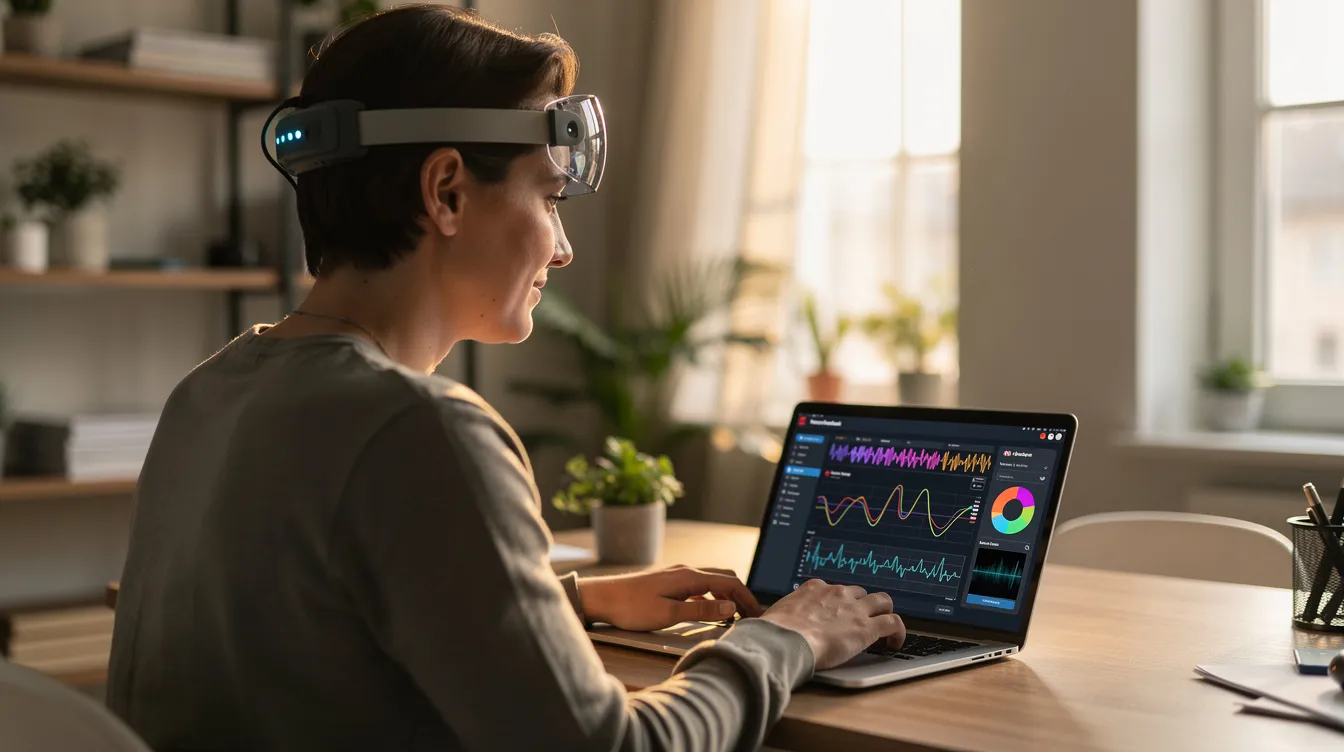
Remote neurofeedback is becoming more accessible. Programs typically involve an initial in-clinic or virtual assessment, shipping of a wearable EEG device, and scheduled online check-ins for protocol updates and troubleshooting. Monthly costs for guided home plans range from $150 to $700 depending on the level of clinician support.
Remote options can reduce per-session costs and travel time, increase consistency of brain training, and expand access for people outside major cities. The trade-off is fewer channels, potentially noisier signals, and less clinical precision compared to full in-office setups.
Who Is (and Isn't) a Good Candidate?
Candidacy for neurofeedback depends on your diagnosis, medical history, goals, and willingness to commit to regular sessions over several months.
Good candidates typically include:
Individuals with stable physical health and manageable symptoms seeking a drug free alternative or complement to existing treatment
Children, teens, or adults with ADHD, anxiety, depression, insomnia, post-concussion symptoms, or performance goals
People motivated to attend multiple sessions consistently and track their progress
Children as young as 5 to 6 can participate, provided they can tolerate sitting calmly and engaging with the training for 20 to 45 minutes. Older adults use neurofeedback for cognitive decline concerns, sleep, or mood support.
Situations requiring extra caution or specialist oversight:
History of seizures or epilepsy
Complex medication regimens
Severe bipolar disorder or psychosis
Recent brain surgery or unstable brain injury
Neurofeedback should be avoided or very carefully integrated when someone is medically unstable, acutely suicidal, or actively psychotic. In these situations, emergency or intensive psychiatric care is the priority, and neurofeedback is not the right starting point.
Integrating Neurofeedback with Broader Mental Health Care
Neurofeedback is most effective when it's part of a bigger picture. It works best combined with other evidence-based treatment modalities for mental health and brain health, not in isolation.
How neurofeedback complements other treatments:
Psychotherapy: Pairing neurofeedback with cognitive behavioral therapy, EMDR, or trauma-focused therapy can be powerful. By reducing hyperarousal and improving attention, neurofeedback can make talk therapy more productive, helping you engage more deeply in sessions.
Medication: For anxiety disorders, ADHD, depression, or insomnia, neurofeedback can work alongside medication. Some families find that, under medical supervision, medication doses can be reduced as brain function stabilizes. This should always be guided by a prescribing physician.
Lifestyle supports that reinforce gains:
Consistent sleep hygiene and routines
Regular physical exercise
Balanced nutrition
Stress management practices
Limiting alcohol or recreational drug use
Ongoing collaboration between your neurofeedback provider and your broader care team, your therapist, psychiatrist, or pediatrician, ensures safety, consistent messaging, and a coordinated comprehensive treatment plan. Well being improves when all parts of care work together.
Frequently Asked Questions
How long do neurofeedback results last once treatment ends?
Many people experience durable changes because neurofeedback leverages neuroplasticity to build new habits in brain function, not just temporary states. The brain learns to produce healthier patterns through repetition, and for many, these shifts hold for years without additional sessions. Some people benefit from occasional "booster" sessions during high-stress periods or life transitions. Continuing healthy routines like good sleep, regular exercise, and stress management helps stabilize and extend gains from training.
Does neurofeedback change your personality or who you are?
No. Neurofeedback aims to normalize dysregulated brainwave activity, not impose a new personality or erase healthy traits. Many clients report feeling more like their "real self," calmer, clearer, and more able to choose their responses rather than reacting automatically. If you ever feel too flat, overstimulated, or "not yourself," protocols can be adjusted. Regular communication with your clinician is essential to keep your training on track.
Can I do neurofeedback at home without a clinician?
Consumer brain training apps and devices exist, but they typically lack the detailed qEEG brain maps and clinical oversight needed for complex mental health or neurological conditions. For clinical goals like managing anxiety disorders, ADHD, or depression, home training should be supervised by a qualified provider who can interpret brain maps, adjust protocols, and monitor safety. Purely self-directed use is best limited to general wellness or meditation-style training and should not be used as a substitute for professional mental health care.
How soon should I expect to feel a difference?
Some people notice subtle shifts in sleep, mood, or calmness after just a few sessions. Others need 10 to 15 sessions before recognizing consistent changes. Underlying brain networks change gradually, so significant improvements in attention, emotional resilience, and cognitive performance often become clear after completing 20 to 30 sessions. Honest feedback about what you are or aren't noticing helps clinicians fine-tune treatment protocols and optimize outcomes.
Is there an ideal age to start neurofeedback?
Neurofeedback has been used successfully with young children as early as 5 to 6 years old, adolescents, adults, and older adults. Session length and format are adapted to age and tolerance. Younger brains tend to be highly neuroplastic and can respond quickly, while older adults may use neurofeedback to support brain health, address sleep concerns, or manage mood changes. Readiness, meaning the ability to cooperate and engage with training, is usually more important than chronological age when deciding whether to begin.